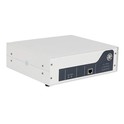
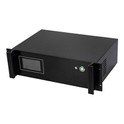
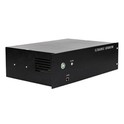
Can an ultrasonic tank filter be used in a printing ink tank? This is a question that many in the printing industry often ponder. As a supplier of ultrasonic tank filters, I am well - versed in the technical aspects and potential applications of these innovative filtration devices, and I'm here to provide a comprehensive analysis.
Understanding Ultrasonic Tank Filters
First, let's take a closer look at what an ultrasonic tank filter is. An Ultrasonic Tank Filter combines the principles of ultrasonic technology with traditional filtration methods. Ultrasonic waves generate cavitation bubbles in the liquid. These bubbles implode, creating high - energy microjets that can dislodge and break up contaminants. The filter then captures these freed particles, ensuring a cleaner liquid.
This technology has been widely used in various industries, such as automotive, electronics, and medical device manufacturing, for cleaning and filtering purposes. Its ability to remove fine particles, including dirt, debris, and even some chemical residues, makes it a powerful tool in maintaining the quality of liquids in industrial processes.
The Characteristics of Printing Ink
Printing ink is a complex mixture. It typically consists of pigments, binders, solvents, and various additives. The pigments are responsible for the color, while the binders hold the pigments together and adhere them to the printing substrate. Solvents control the viscosity of the ink, and additives can enhance properties such as drying time and resistance to fading.
One of the key requirements for printing ink is its consistent quality. Any impurities in the ink can lead to defects in the printed product, such as streaks, blotches, or inconsistent color. Therefore, maintaining a high - level of purity in the ink is crucial for the printing process.
Potential Benefits of Using an Ultrasonic Tank Filter in a Printing Ink Tank
1. Particle Removal
In the printing process, small particles can enter the ink tank from various sources, such as the raw materials, the printing environment, or the equipment itself. These particles can clog the printing nozzles, leading to interrupted printing and reduced print quality. An ultrasonic tank filter can effectively remove these particles. The ultrasonic cavitation action can break up agglomerated particles, making them easier to filter out. This ensures that the ink flowing through the printing system is free from large particles, reducing the risk of nozzle blockages and improving the overall printing performance.
2. Improved Ink Stability
Over time, the components in the printing ink can settle or separate. This can cause variations in the ink's viscosity and color consistency. The ultrasonic waves in the filter can help to keep the ink components in suspension. By continuously agitating the ink, the filter prevents sedimentation and stratification, maintaining a homogeneous mixture. This results in more consistent printing results and reduces the need for frequent ink adjustments.
3. Extended Ink Life
Contaminated ink often has a shorter lifespan. When impurities accumulate in the ink, it can degrade more quickly, leading to a change in its properties and a decrease in printing quality. By removing these contaminants, an ultrasonic tank filter can extend the usable life of the ink. This not only reduces the cost of ink replacement but also minimizes waste, making the printing process more environmentally friendly.
Challenges and Considerations
1. Compatibility with Ink Components
While ultrasonic tank filters offer many benefits, it's essential to consider the compatibility of the filter with the various components of the printing ink. Some solvents or additives in the ink may react with the materials used in the filter. For example, certain solvents may dissolve or corrode the filter media, reducing its effectiveness and potentially introducing new contaminants into the ink. Therefore, before using an ultrasonic tank filter in a printing ink tank, it's necessary to conduct thorough compatibility tests.
2. Impact on Ink Viscosity
The ultrasonic agitation can affect the viscosity of the ink. In some cases, the increased agitation may cause the ink to become more viscous, which can be problematic for the printing process. On the other hand, if the agitation is too strong, it may cause the ink to foam, which can also lead to printing defects. To address this issue, it's important to carefully control the intensity and frequency of the ultrasonic waves to ensure that the ink's viscosity remains within the optimal range for printing.
3. Maintenance Requirements
Like any filtration system, an ultrasonic tank filter requires regular maintenance. The filter media needs to be replaced periodically to ensure its continued effectiveness. Additionally, the ultrasonic transducers need to be inspected and maintained to ensure that they are functioning properly. In a printing environment, where downtime can be costly, it's important to have a well - planned maintenance schedule to minimize disruptions to the printing process.
Comparison with Other Filtration Methods
In the printing industry, there are other filtration methods available, such as Ultrasonic Pipe Filter and traditional mechanical filters. While traditional mechanical filters are simple and cost - effective, they may not be as efficient in removing fine particles and preventing sedimentation. Ultrasonic pipe filters, on the other hand, are designed for inline filtration, which can be useful for continuous printing processes. However, an ultrasonic tank filter offers the advantage of being able to treat a large volume of ink in the tank directly, providing more comprehensive filtration and agitation.


Conclusion
In conclusion, an ultrasonic tank filter can be a viable option for use in a printing ink tank. It offers significant benefits in terms of particle removal, improved ink stability, and extended ink life. However, it's important to carefully consider the compatibility with ink components, the impact on ink viscosity, and the maintenance requirements.
As a supplier of ultrasonic tank filters, I have seen firsthand the positive impact that these filters can have on industrial processes. Our filters are designed with the latest technology to ensure high - performance and reliability. If you are in the printing industry and are interested in exploring the use of an ultrasonic tank filter in your printing ink tank, I encourage you to reach out to us. We can provide you with detailed information, conduct compatibility tests, and offer customized solutions to meet your specific needs. Let's work together to improve the quality and efficiency of your printing process.
References
- "Principles of Printing Technology" by John Smith
- "Ultrasonic Technology in Industrial Filtration" by Emily Brown
- Industry reports on printing ink quality and filtration methods.