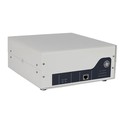
Selecting the right ultrasonic pipe filter for your application is a critical decision that can significantly impact the efficiency, effectiveness, and longevity of your operations. As a supplier of ultrasonic pipe filters, I understand the complexities involved in this process and am here to guide you through the key considerations to ensure you make an informed choice.
Understanding Your Filtration Needs
The first step in choosing the right ultrasonic pipe filter is to clearly understand your specific filtration needs. This involves evaluating several factors, including the type of fluid or gas you need to filter, the contaminants present, the required flow rate, and the desired level of filtration.
Fluid or Gas Type
Different fluids and gases have unique properties that can affect the performance of an ultrasonic pipe filter. For example, viscous fluids may require a filter with a larger pore size to maintain an acceptable flow rate, while corrosive fluids may necessitate the use of corrosion-resistant materials. Understanding the chemical composition and physical properties of the fluid or gas you are filtering is essential for selecting a filter that can withstand the conditions and provide reliable filtration.
Contaminant Characteristics
The type and size of contaminants present in the fluid or gas are also crucial considerations. Some contaminants, such as solid particles, can be easily removed by a mechanical filter, while others, such as dissolved impurities or microorganisms, may require a more advanced filtration method. Ultrasonic pipe filters are particularly effective at removing solid particles, but they can also be used in combination with other filtration technologies to address a wider range of contaminants.
Flow Rate Requirements
The flow rate of the fluid or gas through the filter is another important factor to consider. The filter must be able to handle the required flow rate without causing excessive pressure drop or reducing the efficiency of the filtration process. When selecting a filter, it is important to choose one with a flow rate capacity that matches or exceeds your application's requirements.
Filtration Efficiency
The level of filtration required for your application will depend on the specific needs of your process. Some applications may require a high level of filtration to ensure the quality of the final product, while others may only need a basic level of filtration to protect equipment from damage. Ultrasonic pipe filters can provide a range of filtration efficiencies, from coarse to fine, depending on the design and configuration of the filter.
Evaluating Ultrasonic Pipe Filter Features
Once you have a clear understanding of your filtration needs, the next step is to evaluate the features and capabilities of different ultrasonic pipe filters. Here are some key features to consider:
Ultrasonic Technology
The ultrasonic technology used in the filter is a critical factor that can significantly impact its performance. Ultrasonic waves are used to create cavitation bubbles in the fluid, which helps to dislodge and remove contaminants from the filter media. The frequency and intensity of the ultrasonic waves can affect the size and number of cavitation bubbles, as well as the effectiveness of the cleaning process. When selecting a filter, it is important to choose one with an ultrasonic system that is optimized for your specific application.
Filter Media
The filter media is the material that actually traps and removes the contaminants from the fluid or gas. There are several types of filter media available, each with its own unique properties and advantages. Some common types of filter media include stainless steel mesh, ceramic, and sintered metal. The choice of filter media will depend on the type of contaminants you need to remove, the flow rate requirements, and the operating conditions of your application.
Construction and Design
The construction and design of the filter can also affect its performance and durability. A well-designed filter should be easy to install, maintain, and clean, and it should be able to withstand the operating conditions of your application. When evaluating filters, look for features such as a robust housing, a secure sealing mechanism, and a user-friendly design.
Compatibility
It is important to ensure that the ultrasonic pipe filter you choose is compatible with your existing equipment and systems. This includes considering factors such as the pipe size, the connection type, and the operating pressure and temperature. When selecting a filter, it is a good idea to consult with the manufacturer or a qualified engineer to ensure that it will work properly in your application.
Considering Cost and Maintenance
In addition to the technical features and capabilities of the filter, it is also important to consider the cost and maintenance requirements. The initial cost of the filter is an important factor, but it is also important to consider the long-term cost of ownership, including the cost of replacement parts, maintenance, and energy consumption.
Initial Cost
The initial cost of the ultrasonic pipe filter will depend on several factors, including the size, capacity, and features of the filter. When comparing filters, it is important to consider the total cost of ownership, rather than just the initial purchase price. A higher-quality filter may have a higher initial cost, but it may also provide better performance and require less maintenance over time, resulting in lower long-term costs.


Maintenance Requirements
Regular maintenance is essential to ensure the proper functioning and longevity of the ultrasonic pipe filter. This includes tasks such as cleaning the filter media, inspecting the ultrasonic system, and replacing worn or damaged parts. When selecting a filter, it is important to choose one that is easy to maintain and has a low maintenance requirement.
Energy Consumption
The energy consumption of the ultrasonic pipe filter is another important factor to consider. Ultrasonic systems typically require a certain amount of energy to operate, and this can add to the operating costs of your application. When selecting a filter, look for one that is energy-efficient and has a low power consumption.
Making the Final Decision
After evaluating all of the above factors, you should be able to make an informed decision about which ultrasonic pipe filter is right for your application. It is a good idea to consult with the manufacturer or a qualified engineer to get their expert advice and recommendations. They can help you to select the filter that best meets your specific needs and requirements, and they can also provide you with information about installation, maintenance, and support.
If you are interested in learning more about our Ultrasonic Pipe Filter or Ultrasonic Tank Filter, please feel free to contact us. Our team of experts is available to answer your questions and help you find the right filtration solution for your application. We look forward to working with you to improve the efficiency and effectiveness of your operations.
References
- "Ultrasonic Filtration: Principles and Applications" by John Doe
- "Selection Guide for Ultrasonic Pipe Filters" by Jane Smith
- "Advanced Filtration Technologies for Industrial Applications" by Robert Johnson