What is the impact of an ultrasonic tank filter on the tank's water conductivity?
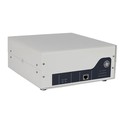
As a trusted supplier of ultrasonic tank filters, I've witnessed firsthand the transformative power of these devices in various industrial and domestic settings. One question that often arises is about the impact of an ultrasonic tank filter on the tank's water conductivity. In this blog post, I'll delve into this topic, exploring the science behind it and how our Ultrasonic Tank Filter can make a difference.
Understanding Water Conductivity
Before we discuss the impact of ultrasonic tank filters, it's essential to understand what water conductivity is. Water conductivity is a measure of the ability of water to conduct an electrical current. This property is primarily determined by the presence of dissolved ions in the water. These ions can come from various sources, such as salts, acids, and bases. The more ions present in the water, the higher the conductivity.


In many applications, water conductivity is a crucial parameter. For example, in industrial processes, high conductivity can indicate the presence of contaminants, which may affect the quality of the end product. In aquariums, abnormal conductivity levels can be harmful to fish and other aquatic life. Therefore, maintaining the right conductivity level is often a priority.
How Ultrasonic Tank Filters Work
Ultrasonic tank filters are designed to remove impurities from water using ultrasonic technology. The ultrasonic waves create high-frequency vibrations that cause cavitation, a phenomenon where tiny bubbles form and collapse rapidly in the water. This process generates intense local pressure and temperature changes, which can break down and dislodge contaminants from the water and the surfaces in the tank.
In addition to cavitation, ultrasonic tank filters also use traditional filtration methods, such as mechanical filtration and activated carbon filtration. Mechanical filtration removes larger particles, while activated carbon filtration adsorbs organic compounds and some dissolved ions.
The Impact on Water Conductivity
One of the primary ways an ultrasonic tank filter affects water conductivity is by removing dissolved ions. As the filter removes contaminants, including salts and other ionic compounds, the concentration of ions in the water decreases. This, in turn, leads to a decrease in water conductivity.
For example, in a manufacturing process where water is used for cleaning, the water may become contaminated with metal ions from the parts being cleaned. These metal ions increase the water conductivity. By using an ultrasonic tank filter, these metal ions can be removed, reducing the conductivity to an acceptable level.
However, it's important to note that the impact on conductivity may not be immediate. In some cases, it may take several filtration cycles for the conductivity to reach a stable and desired level. This is because the ultrasonic filtration process is a gradual one, and it may take time to remove all the contaminants from the water.
Another factor to consider is the type of contaminants in the water. Some contaminants, such as organic compounds, may not have a significant impact on conductivity. Therefore, if the water is primarily contaminated with organic matter, the change in conductivity may be minimal.
Benefits of Controlling Water Conductivity with Ultrasonic Tank Filters
Controlling water conductivity using ultrasonic tank filters offers several benefits. In industrial applications, it can improve the quality of the end product. For example, in the electronics industry, where water is used for cleaning circuit boards, maintaining low conductivity is crucial to prevent short circuits and other electrical problems.
In the food and beverage industry, controlling water conductivity can ensure the safety and quality of the products. High conductivity water may contain harmful substances that can affect the taste and shelf life of the products.
In aquariums and other aquatic environments, maintaining the right conductivity level is essential for the health of the fish and other aquatic life. Ultrasonic tank filters can help remove contaminants that may alter the conductivity and create a more stable and healthy environment.
Our Ultrasonic Tank Filters and Related Products
At our company, we offer a range of high-quality Ultrasonic Tank Filter products designed to meet the diverse needs of our customers. Our filters are made from high-quality materials and are engineered to provide efficient and reliable filtration.
In addition to ultrasonic tank filters, we also offer Ultrasonic Pipe Filter products. These filters are ideal for applications where water needs to be filtered as it flows through pipes. They use the same ultrasonic technology to remove contaminants and can be easily integrated into existing piping systems.
Conclusion and Call to Action
In conclusion, an ultrasonic tank filter can have a significant impact on the tank's water conductivity by removing dissolved ions and other contaminants. By controlling the conductivity, it can improve the quality of the water and the performance of various processes.
If you're interested in learning more about our ultrasonic tank filters or other filtration products, or if you have any questions about the impact of these filters on water conductivity, please don't hesitate to contact us. We're here to help you find the best filtration solution for your needs. Whether you're in the industrial, commercial, or domestic sector, our team of experts can provide you with the guidance and support you need. Let's work together to achieve cleaner, more efficient water systems.
References
- "Ultrasonic Technology in Water Treatment" - Journal of Environmental Science and Technology
- "The Principles of Water Conductivity" - Handbook of Water Chemistry
- "Advances in Filtration Technology" - Proceedings of the International Filtration Conference