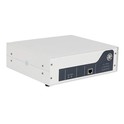
As a supplier of 1000w ultrasonic generators, I am often asked about the types of metals that can be soldered using our equipment. Ultrasonic soldering is a process that uses high - frequency vibrations to enhance the soldering process, allowing for better wetting and bonding of metals. In this blog post, I will explore the various metals that can be effectively soldered with a 1000w ultrasonic generator.
Understanding Ultrasonic Soldering
Before delving into the specific metals, it's important to understand how ultrasonic soldering works. An ultrasonic generator produces high - frequency electrical signals, which are then converted into mechanical vibrations by a transducer. These vibrations are transmitted to the soldering tip, creating a cavitation effect in the molten solder. This cavitation helps to break down the oxide layers on the metal surfaces, enabling the solder to wet and bond more effectively.
Metals Suitable for 1000w Ultrasonic Soldering
Copper
Copper is one of the most common metals soldered using ultrasonic technology. It has excellent electrical and thermal conductivity, making it a popular choice in electronics and electrical applications. A 1000w ultrasonic generator provides sufficient power to break through the thin oxide layer that forms on copper surfaces quickly. The ultrasonic vibrations ensure that the solder spreads evenly across the copper, creating a strong and reliable joint. For example, in printed circuit board (PCB) manufacturing, copper traces often need to be soldered to components. Our 1000w ultrasonic generator can achieve high - quality solder joints on copper PCBs, reducing the risk of cold solder joints and improving the overall performance of the circuit.
Aluminum
Soldering aluminum has always been a challenge due to its highly reactive nature and the formation of a tough oxide layer. However, a 1000w ultrasonic generator can overcome this problem. The high - frequency vibrations can disrupt the aluminum oxide layer, allowing the solder to come into direct contact with the pure aluminum beneath. This enables reliable soldering of aluminum components, which is useful in industries such as automotive and aerospace. In automotive electronics, aluminum heat sinks may need to be soldered to electronic components, and our 1000w ultrasonic generator can provide the necessary power to create a strong bond.
Gold
Gold is a precious metal known for its excellent conductivity and corrosion resistance. It is widely used in high - end electronics and jewelry. When soldering gold, a 1000w ultrasonic generator can ensure a clean and precise solder joint. The ultrasonic vibrations help to prevent the formation of voids and improve the wetting of the solder on the gold surface. In the production of microelectronics, gold wires are often soldered to semiconductor chips, and our ultrasonic generator can contribute to the high - quality interconnection of these components.
Silver
Silver, like gold, has high electrical conductivity and is used in various electrical and electronic applications. A 1000w ultrasonic generator can effectively solder silver components. The vibrations assist in breaking down any surface contaminants and promoting good solder flow. In the manufacturing of silver - based electrical contacts, our ultrasonic generator can create reliable solder joints that ensure long - term performance.
Nickel
Nickel is a tough and corrosion - resistant metal. It is commonly used in battery manufacturing and other industrial applications. Ultrasonic soldering with a 1000w generator can help to solder nickel components by removing the oxide layer and improving the adhesion of the solder. In the production of nickel - metal hydride batteries, for example, the soldering of nickel tabs is crucial for the battery's performance, and our equipment can meet this requirement.
Comparing with Other Power Ultrasonic Generators
While a 1000w ultrasonic generator is suitable for a wide range of metals, there are situations where different power levels may be required. For smaller - scale soldering tasks or when dealing with more delicate metals, a 500W Ultrasonic Generator might be sufficient. It provides a lower power output, which can be more gentle on the components.
On the other hand, for large - scale industrial soldering operations or when dealing with thick or highly resistant metals, higher - power generators such as the 3000W Ultrasonic Generator or 4000W Ultrasonic Generator may be necessary. These high - power generators can deliver more energy to break through thicker oxide layers and ensure proper wetting of the solder on large or difficult - to - solder metals.
Factors Affecting Ultrasonic Soldering
Apart from the type of metal, several other factors can affect the ultrasonic soldering process. The solder alloy used plays a significant role. Different solder alloys have different melting points, wetting properties, and mechanical strengths. For example, lead - free solder alloys are becoming more popular due to environmental concerns, but they may require different soldering parameters compared to traditional lead - based solders.
The surface condition of the metal is also crucial. A clean and smooth surface will result in better solder joints. Any dirt, grease, or oxidation on the metal surface can interfere with the soldering process. Therefore, proper surface preparation, such as cleaning and degreasing, is essential before soldering.
The soldering temperature and time are other important factors. The 1000w ultrasonic generator can work in conjunction with a temperature - controlled soldering iron to ensure that the solder reaches the appropriate melting point and that the soldering process is carried out for the right amount of time.
Conclusion
In conclusion, a 1000w ultrasonic generator is a versatile tool for soldering a variety of metals, including copper, aluminum, gold, silver, and nickel. It can overcome the challenges associated with soldering these metals, such as oxide layer formation and poor wetting. However, the choice of the ultrasonic generator should be based on the specific requirements of the soldering task, including the type of metal, the size of the components, and the scale of production.
If you are in need of an ultrasonic generator for your soldering applications, whether it's a 1000w unit or other power levels, we are here to help. Our team of experts can provide you with detailed information and technical support to ensure that you choose the right equipment for your needs. Feel free to contact us for more information and to discuss your specific requirements. We look forward to the opportunity to work with you and contribute to the success of your soldering projects.


References
- "Ultrasonic Soldering Technology: Principles and Applications" - A technical book on ultrasonic soldering, providing in - depth knowledge of the process and its applications.
- Industry research reports on metal soldering in electronics, automotive, and aerospace industries, which offer insights into the requirements and challenges of soldering different metals.