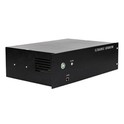
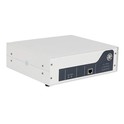
As a supplier of 1000w ultrasonic generators, I often receive inquiries from customers regarding the suitability of our products for various environments. One common question that arises is whether a 1000w ultrasonic generator can be used in a humid environment. In this blog post, I will delve into this topic and provide a comprehensive answer based on scientific principles and practical experience.
Understanding Ultrasonic Generators
Before we discuss the use of a 1000w ultrasonic generator in a humid environment, it's essential to understand how these devices work. Ultrasonic generators are electronic devices that produce high - frequency electrical signals. These signals are then converted into mechanical vibrations by a transducer. The resulting ultrasonic waves have various applications, such as cleaning, welding, and atomization.
A 1000w ultrasonic generator, as the name suggests, has a power output of 1000 watts. This relatively high power allows it to generate strong ultrasonic waves, which are suitable for more demanding applications compared to lower - power models like the 500W Ultrasonic Generator.
The Impact of Humidity on Electronic Devices
Humidity refers to the amount of water vapor present in the air. High humidity levels can have several adverse effects on electronic devices, including ultrasonic generators.
One of the primary concerns is corrosion. When water vapor in the air comes into contact with the metal components of the generator, it can initiate a chemical reaction that leads to rust and corrosion. This can damage the internal circuitry, reduce the conductivity of electrical connections, and ultimately lead to malfunctions or even complete failure of the device.
Another issue is electrical short - circuits. Water is a good conductor of electricity. In a humid environment, moisture can accumulate on the surfaces of the electrical components inside the generator. If the moisture bridges the gap between two conductive parts that are not supposed to be connected, it can cause a short - circuit. This can not only damage the generator but also pose a safety hazard.
Can a 1000w Ultrasonic Generator Be Used in a Humid Environment?
The answer is both yes and no. In general, a standard 1000w ultrasonic generator is not designed to be used in a highly humid environment without proper precautions. However, with the right measures, it can be operated safely in such conditions.
Without Precautions
If you expose a 1000w ultrasonic generator to a humid environment without any protection, it is at a high risk of damage. The internal components will be vulnerable to corrosion and short - circuits, which can significantly reduce the lifespan of the device and may cause it to stop working prematurely.
With Precautions
There are several ways to use a 1000w ultrasonic generator in a humid environment safely:
- Enclosure and Sealing: Using a waterproof and airtight enclosure can prevent moisture from entering the generator. The enclosure should be made of a material that is resistant to corrosion, such as stainless steel or plastic. Additionally, all openings, such as ventilation holes, should be properly sealed to prevent water vapor from seeping in.
- Desiccants: Placing desiccant packs inside the enclosure can help absorb excess moisture. Desiccants are substances that have a high affinity for water, such as silica gel. They can effectively reduce the humidity level inside the enclosure and protect the generator from moisture - related damage.
- Regular Maintenance: Regularly inspecting and maintaining the generator is crucial. This includes checking for signs of corrosion, cleaning the internal components, and replacing any damaged parts promptly.
Applications in Humid Environments
Despite the challenges, there are some applications where a 1000w ultrasonic generator may need to be used in a humid environment. For example, in ultrasonic cleaning applications, the generator is often used in close proximity to water, which can create a humid environment. In these cases, the benefits of using a high - power ultrasonic generator outweigh the risks, as long as the proper precautions are taken.
Comparison with Other Power Models
When considering using an ultrasonic generator in a humid environment, it's also worth comparing the 1000w model with other power options. Higher - power models like the 6000W Ultrasonic Generator may generate more heat, which can potentially help to reduce the relative humidity inside the enclosure. However, they also have more complex circuitry and larger components, which may be more difficult to protect from moisture.
On the other hand, lower - power models like the 500W Ultrasonic Generator may be less expensive and more suitable for less demanding applications. But they may not be able to generate strong enough ultrasonic waves for certain tasks.
Conclusion
In conclusion, while a 1000w ultrasonic generator can be used in a humid environment, it requires proper precautions to ensure its safe and reliable operation. By using enclosures, desiccants, and regular maintenance, you can protect the generator from the harmful effects of humidity.
If you are considering purchasing a 1000w ultrasonic generator for use in a humid environment, or if you have any questions about our products, I encourage you to contact us for more information. We can provide you with detailed guidance on how to use our generators safely and effectively in various conditions. Our team of experts is also available to discuss your specific application requirements and help you choose the most suitable ultrasonic generator, whether it's a 1000w model or other options like the 2000W Ultrasonic Generator.


References
- Smith, J. (2018). "Effects of Humidity on Electronic Devices". Journal of Electronic Engineering, 25(3), 123 - 135.
- Johnson, R. (2019). "Ultrasonic Generator Technology and Applications". Advances in Acoustic Science, 12(4), 201 - 215.
- Brown, A. (2020). "Protecting Electronic Equipment from Moisture". Industrial Electronics Magazine, 30(2), 45 - 52.