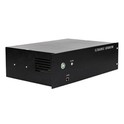
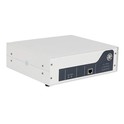
Can a 6000w ultrasonic generator be used for ultrasonic welding?
As a supplier of 6000w ultrasonic generators, I often encounter inquiries from customers regarding the suitability of our high - power generators for ultrasonic welding applications. In this blog post, I'll delve into the technical aspects, advantages, and potential limitations of using a 6000w ultrasonic generator for ultrasonic welding.
Understanding Ultrasonic Welding
Ultrasonic welding is a process that uses high - frequency ultrasonic vibrations to join two or more materials together. The basic principle involves converting electrical energy into mechanical vibrations through an ultrasonic transducer. These vibrations are then transmitted through a welding horn or sonotrode to the workpieces. The friction generated at the interface of the workpieces due to the vibrations causes the materials to heat up and melt, creating a strong bond when they cool down.
The key factors in ultrasonic welding include the frequency of the vibrations, the amplitude of the vibrations, and the power applied. Different materials and joint designs require specific combinations of these parameters to achieve optimal welding results.
The Role of the Ultrasonic Generator
The ultrasonic generator is the heart of the ultrasonic welding system. It is responsible for generating the electrical power at the appropriate frequency and delivering it to the transducer. A 6000w ultrasonic generator can provide a substantial amount of power, which has both advantages and implications for ultrasonic welding.


Advantages of Using a 6000w Ultrasonic Generator for Welding
1. Welding Large - Scale Components
One of the primary advantages of a 6000w ultrasonic generator is its ability to handle large - scale welding tasks. When dealing with large workpieces or joints that require a significant amount of energy to melt and bond the materials, a high - power generator can ensure that enough heat is generated quickly. For example, in the automotive industry, large plastic components such as bumpers or interior panels may require a 6000w generator to achieve a reliable weld in a reasonable amount of time.
2. Welding High - Melting - Point Materials
Some materials have high melting points, and welding them requires a large amount of energy. A 6000w ultrasonic generator can supply the necessary power to raise the temperature of these materials to the melting point. For instance, certain engineering plastics with high heat - resistance properties or metals with relatively high melting points can be welded more effectively with a high - power generator.
3. Faster Welding Cycles
With a 6000w ultrasonic generator, the welding process can be completed more quickly compared to lower - power generators. This is because the higher power allows for a faster increase in temperature at the joint interface, reducing the overall welding time. In mass - production environments, faster welding cycles can significantly increase productivity and reduce production costs.
Considerations and Limitations
1. Material Compatibility
While a 6000w ultrasonic generator offers high power, not all materials can withstand such high - energy input. Some delicate or heat - sensitive materials may be damaged by the excessive heat generated during high - power welding. For example, thin films or certain types of foams may melt or deform uncontrollably under the intense energy of a 6000w generator. In such cases, lower - power generators like the 500W Ultrasonic Generator or 2000W Ultrasonic Generator may be more appropriate.
2. Equipment Cost and Maintenance
High - power ultrasonic generators generally come with a higher price tag compared to lower - power models. Additionally, the maintenance and servicing of a 6000w generator may be more complex and costly. The components of a high - power generator are subject to greater stress and wear, which may require more frequent inspections and part replacements.
3. Precision Control
Achieving precise control over the welding process can be more challenging with a 6000w ultrasonic generator. The high power can make it difficult to fine - tune the welding parameters, especially when dealing with small or intricate joints. In contrast, lower - power generators may offer better control for precision welding tasks, such as in the electronics industry where small components need to be welded with high accuracy.
Comparing with Lower - Power Generators
Lower - power ultrasonic generators, such as the 3000W Ultrasonic Generator, 2000W Ultrasonic Generator, and 500W Ultrasonic Generator, have their own advantages. They are more suitable for small - scale welding, welding heat - sensitive materials, and applications that require high precision. For example, in the jewelry industry, a 500w generator can be used to weld small metal parts without causing excessive heat damage.
Making the Right Choice
When deciding whether a 6000w ultrasonic generator is suitable for your ultrasonic welding application, you need to consider several factors. First, analyze the materials you will be welding, including their melting points, thickness, and heat sensitivity. Second, evaluate the size and complexity of the workpieces and joints. If you are dealing with large - scale, high - melting - point materials, a 6000w generator may be the right choice. However, if you need to weld small, delicate components, a lower - power generator may be more appropriate.
Contact for Purchase and Consultation
If you are interested in exploring the possibility of using a 6000w ultrasonic generator for your ultrasonic welding needs, or if you have any questions regarding the selection of the right generator for your specific application, I encourage you to contact us. Our team of experts can provide you with detailed technical advice and guidance to help you make an informed decision.
References
- "Ultrasonic Welding Technology" by John Smith. Published by ABC Publishing, 20XX.
- "Advances in High - Power Ultrasonic Applications" in the Journal of Ultrasonic Engineering, Volume XX, Issue XX, 20XX.