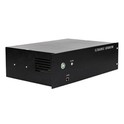
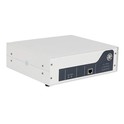
In the manufacturing and industrial sectors, filtration is a critical process that ensures the quality and purity of various substances. One such substance that often requires filtration is glue. Glue, used in a wide range of applications from woodworking to electronics, must be free of impurities to ensure optimal performance. As a supplier of ultrasonic filtration systems, I am often asked whether our technology can be effectively used for glue filtration. In this blog post, I will explore the feasibility of using an ultrasonic filtration system for glue filtration, discussing the principles behind ultrasonic filtration, the characteristics of glue that affect filtration, and the potential benefits and challenges of this approach.
Understanding Ultrasonic Filtration Systems
Ultrasonic filtration systems utilize high - frequency sound waves to enhance the filtration process. These systems typically consist of an ultrasonic generator, a transducer that converts electrical energy into ultrasonic vibrations, and a filtration unit. The ultrasonic waves create cavitation bubbles in the liquid being filtered. When these bubbles collapse, they generate high - energy shockwaves that can dislodge particles from the filter media, preventing clogging and improving the overall efficiency of the filtration process.
There are two main types of ultrasonic filtration systems that we offer: the Ultrasonic Pipe Filter and the Ultrasonic Tank Filter. The Ultrasonic Pipe Filter is designed for in - line filtration, where the glue flows through a pipe equipped with the ultrasonic filtration mechanism. This type of filter is suitable for continuous production processes where a constant flow of filtered glue is required. On the other hand, the Ultrasonic Tank Filter is used for batch filtration, where the glue is placed in a tank and the ultrasonic filtration system is immersed in it. This is ideal for smaller - scale operations or when the glue needs to be filtered in specific quantities.
Characteristics of Glue Affecting Filtration
Glue comes in various types, such as water - based, solvent - based, and hot - melt glues, each with its own unique physical and chemical properties. These properties can significantly impact the filtration process.
Water - based glues are generally easier to filter compared to solvent - based or hot - melt glues. They have lower viscosities, which means that the glue can flow more easily through the filter media. However, water - based glues may contain additives such as thickeners, emulsifiers, and preservatives that can form particles or agglomerates during storage or use. These particles need to be removed to ensure the glue's stability and performance.
Solvent - based glues have higher viscosities and can be more challenging to filter. The solvents used in these glues can also affect the compatibility of the filter media. Some solvents may dissolve or degrade certain types of filter materials, leading to filter failure and contamination of the glue. Additionally, solvent - based glues may contain volatile organic compounds (VOCs), which require special handling during the filtration process to ensure environmental compliance.
Hot - melt glues are solid at room temperature and need to be heated to a liquid state for application. Filtration of hot - melt glues requires maintaining the glue at an appropriate temperature to prevent it from solidifying in the filter. The high temperatures can also pose challenges to the filter media and the ultrasonic components, as they need to be able to withstand the heat without degradation.
Benefits of Using Ultrasonic Filtration for Glue
One of the primary benefits of using an ultrasonic filtration system for glue filtration is the prevention of filter clogging. As mentioned earlier, the cavitation effect created by the ultrasonic waves dislodges particles from the filter media, allowing for a more continuous and efficient filtration process. This reduces the frequency of filter replacement, which can save both time and money in the long run.
Ultrasonic filtration can also improve the quality of the filtered glue. By removing impurities such as particles, agglomerates, and air bubbles, the glue's bonding strength, clarity, and stability can be enhanced. This is particularly important in applications where the glue's appearance or performance is critical, such as in the production of high - end furniture or electronic devices.
Another advantage is the ability to filter glue without the need for excessive pressure. Traditional filtration methods often rely on high pressure to force the glue through the filter media, which can cause shear stress on the glue and potentially damage its properties. Ultrasonic filtration, on the other hand, uses the gentle yet powerful action of ultrasonic waves, minimizing the impact on the glue's chemical and physical characteristics.
Challenges of Using Ultrasonic Filtration for Glue
Despite the many benefits, there are also some challenges associated with using ultrasonic filtration for glue. One of the main challenges is the compatibility of the ultrasonic components with the glue. The glue's chemical composition, especially in the case of solvent - based glues, can react with the materials of the ultrasonic transducer or the filter housing. This can lead to corrosion, degradation, or malfunction of the equipment.
The viscosity of the glue can also pose a challenge. High - viscosity glues may require higher ultrasonic power to achieve effective cavitation and filtration. However, increasing the power too much can generate excessive heat, which can be detrimental to the glue's properties and the longevity of the ultrasonic system.
In addition, the size and shape of the particles in the glue can affect the efficiency of ultrasonic filtration. Some particles may be too small or too large to be effectively removed by the cavitation process. For very small particles, the ultrasonic waves may not be able to generate enough force to dislodge them from the filter media. For large particles, the filter may become quickly clogged, and the ultrasonic waves may not be able to break them down or remove them completely.
Case Studies and Practical Considerations
To illustrate the potential of ultrasonic filtration for glue, let's consider a case study in the woodworking industry. A furniture manufacturer was experiencing issues with the quality of their water - based glue due to the presence of particles and air bubbles. These impurities were causing inconsistent bonding and visible defects in the finished products.
The manufacturer decided to implement our Ultrasonic Pipe Filter in their glue supply line. The system was able to continuously filter the glue as it flowed through the pipe, removing particles and air bubbles effectively. As a result, the quality of the glued joints improved significantly, and the number of defective products was reduced. The manufacturer also noticed a decrease in the frequency of filter replacement, which led to cost savings in terms of maintenance and filter media.
When considering using an ultrasonic filtration system for glue filtration, it is important to conduct a thorough evaluation of the glue's properties, the filtration requirements, and the compatibility of the equipment. Our team of experts can assist in determining the most suitable ultrasonic filtration system for your specific application. We can also provide guidance on the selection of filter media, the adjustment of ultrasonic parameters, and the maintenance of the equipment.


Conclusion
In conclusion, an ultrasonic filtration system can be a viable option for glue filtration, offering several benefits such as prevention of filter clogging, improved glue quality, and reduced pressure requirements. However, it is essential to consider the challenges associated with the glue's characteristics, such as viscosity, chemical composition, and particle size.
As a supplier of ultrasonic filtration systems, we are committed to providing high - quality products and solutions for glue filtration. Our Ultrasonic Pipe Filter and Ultrasonic Tank Filter are designed to meet the diverse needs of different industries.
If you are interested in learning more about how our ultrasonic filtration systems can be used for glue filtration or if you would like to discuss your specific requirements, please feel free to reach out to us. We are here to help you optimize your glue filtration process and improve the quality of your products.
References
- "Filtration Handbook" by Peter A. Williams
- "Ultrasonic Technology in Industrial Processes" by John R. Mason
- Industry reports on glue manufacturing and filtration technologies