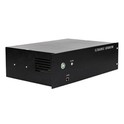
As a supplier of ultrasonic rings, I've often been asked about the potential of these innovative devices in marine settings. Ultrasonic rings are a fascinating technology that has found its way into various industries, from jewelry cleaning to industrial parts degreasing. But can they be effectively utilized in the vast and challenging environment of the marine world? In this blog post, we'll explore the possibilities, challenges, and benefits of using ultrasonic rings in marine applications.
Understanding Ultrasonic Rings
Before delving into marine applications, let's first understand what ultrasonic rings are. Ultrasonic rings are devices that generate ultrasonic waves. These waves create high - frequency vibrations in a liquid medium, which in turn produce tiny bubbles through a process called cavitation. When these bubbles collapse, they release a significant amount of energy, capable of removing dirt, grease, and other contaminants from surfaces.
Our company offers two popular models: the ResoRing - 25 Ultrasonic Ring and the ResoRing - 30 Ultrasonic Ring. These rings are designed with precision engineering to ensure efficient and reliable ultrasonic performance.
Potential Marine Applications
Ship Hull Cleaning
One of the most significant challenges in the marine industry is the fouling of ship hulls. Marine organisms such as barnacles, algae, and mussels attach themselves to the hull, increasing drag and reducing fuel efficiency. Ultrasonic rings could potentially be installed on the hull to create a continuous ultrasonic field in the surrounding water. The cavitation effect would prevent marine organisms from attaching to the hull surface, reducing the need for costly and environmentally - damaging dry - docking and manual cleaning.
Equipment Maintenance
Marine vessels are equipped with a wide range of machinery and equipment, including engines, pumps, and valves. Over time, these components can accumulate dirt, rust, and other deposits, which can lead to reduced performance and increased wear and tear. Ultrasonic rings can be used in cleaning baths to thoroughly clean these parts. By immersing the components in a liquid filled with an ultrasonic ring, the cavitation action can reach into small crevices and remove contaminants that are difficult to access by traditional cleaning methods.
Ballast Water Treatment
Ballast water is used to stabilize ships during their voyages. However, it can also carry invasive species from one region to another, posing a significant threat to the marine ecosystem. Ultrasonic rings could be employed in ballast water treatment systems. The high - energy cavitation bubbles can damage and kill microorganisms in the ballast water, reducing the risk of introducing invasive species into new environments.


Challenges in Marine Applications
Corrosion
The marine environment is highly corrosive due to the presence of saltwater. Ultrasonic rings need to be constructed from materials that can withstand corrosion. Stainless steel is a common choice, but special coatings may also be required to enhance the ring's resistance to the harsh marine conditions.
Power Supply
In a marine setting, ensuring a reliable power supply for the ultrasonic rings can be a challenge. Ships operate in various locations, and there may be limitations on the available power sources. Additionally, the power consumption of the ultrasonic rings needs to be optimized to avoid overloading the ship's electrical system.
Acoustic Interference
The marine environment is filled with various sources of noise, such as the ship's engines, waves, and marine life sounds. These noises can potentially interfere with the ultrasonic signals generated by the rings. Careful design and placement of the rings are necessary to minimize the impact of acoustic interference and ensure effective operation.
Benefits of Using Ultrasonic Rings in Marine Applications
Cost - Effectiveness
In the long run, using ultrasonic rings can be cost - effective. For example, by preventing hull fouling, ships can save on fuel costs. The reduced need for manual cleaning and dry - docking also saves money on labor and maintenance expenses. In ballast water treatment, ultrasonic technology can be more energy - efficient compared to some traditional treatment methods.
Environmental Friendliness
Ultrasonic cleaning is a chemical - free process. When used in hull cleaning and ballast water treatment, it reduces the use of harmful chemicals that can pollute the marine environment. This makes ultrasonic rings a more sustainable option for the marine industry.
Efficiency
Ultrasonic cleaning is a fast and efficient process. It can clean large surface areas and complex - shaped objects in a relatively short time. This efficiency is crucial in the marine industry, where time is often of the essence.
Case Studies and Research
Although the use of ultrasonic rings in marine applications is still in its early stages, there have been some promising studies. For example, a research project at a leading marine research institute tested the use of ultrasonic rings in preventing hull fouling. The results showed a significant reduction in the attachment of marine organisms on the test hull sections where the ultrasonic rings were installed.
Another study focused on ballast water treatment. By incorporating ultrasonic rings into a pilot - scale ballast water treatment system, the researchers were able to achieve a high removal rate of microorganisms, indicating the potential of ultrasonic technology in this area.
Conclusion
The use of ultrasonic rings in marine applications holds great promise. From ship hull cleaning to equipment maintenance and ballast water treatment, these devices offer a range of potential benefits. However, there are also challenges that need to be addressed, such as corrosion, power supply, and acoustic interference.
As a supplier of ultrasonic rings, we are committed to developing solutions that can overcome these challenges. Our ResoRing - 25 Ultrasonic Ring and ResoRing - 30 Ultrasonic Ring are designed with the latest technology to provide reliable and efficient performance in various applications, including marine settings.
If you are interested in exploring the use of ultrasonic rings for your marine applications, we invite you to contact us for further discussion and potential procurement. We are eager to work with you to find the best solutions for your specific needs.
References
- "Advances in Marine Hull Fouling Prevention Technologies" - Journal of Marine Engineering
- "Ultrasonic Treatment of Ballast Water: A Review" - Marine Pollution Bulletin
- "Corrosion Resistance of Materials in Marine Environments" - International Journal of Corrosion Science and Engineering