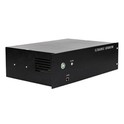
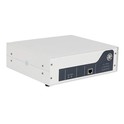
As a supplier of ultrasonic tank filters, I often get asked whether our product can be used in petrochemical tanks. This is a crucial question that requires a comprehensive and scientific answer. In this blog post, I'll delve into the feasibility, benefits, and considerations of using an ultrasonic tank filter in a petrochemical tank.
Understanding Ultrasonic Tank Filters
Before discussing their application in petrochemical tanks, let's first understand what ultrasonic tank filters are. Ultrasonic tank filters combine the principles of ultrasonic technology and filtration. Ultrasonic waves generate high - frequency vibrations, which can effectively dislodge and break up contaminants attached to the surfaces within the tank. The filter component then captures these freed contaminants, preventing them from recirculating in the system.
The Ultrasonic Tank Filter we offer is designed with advanced materials and precision engineering. It can be customized to fit different tank sizes and configurations, and it is capable of handling a wide range of fluid viscosities and particle sizes.
Feasibility of Using Ultrasonic Tank Filters in Petrochemical Tanks
Petrochemical tanks store a variety of substances, including crude oil, refined products, and chemical intermediates. These substances often contain contaminants such as sediment, rust, and organic matter. Maintaining the purity of these substances is essential for the quality of the final products and the proper operation of the petrochemical processes.
One of the main advantages of using an ultrasonic tank filter in a petrochemical tank is its ability to clean hard - to - reach areas. Petrochemical tanks can be large and complex, with internal structures that make traditional cleaning methods less effective. Ultrasonic waves can penetrate through the fluid and reach all corners of the tank, dislodging contaminants from the tank walls, pipes, and other internal components.
Moreover, ultrasonic tank filters can operate continuously during the normal operation of the petrochemical tank. This means that there is no need to shut down the tank for cleaning, which can significantly reduce downtime and increase productivity. The continuous filtration process helps to maintain a consistent level of purity in the stored substances, reducing the risk of product contamination and equipment damage.
Benefits of Ultrasonic Tank Filters in Petrochemical Applications
Enhanced Filtration Efficiency
The ultrasonic waves in the filter create cavitation bubbles in the fluid. When these bubbles collapse, they generate high - energy shockwaves that can break down large contaminants into smaller particles. These smaller particles are then more easily captured by the filter media, improving the overall filtration efficiency. This is particularly important in petrochemical applications, where even small amounts of contaminants can have a significant impact on the quality of the products.
Cost - Effectiveness
Compared to traditional cleaning and filtration methods, ultrasonic tank filters can be more cost - effective in the long run. They require less maintenance and have a longer service life. Since they can operate continuously without shutting down the tank, there is no loss of production time. Additionally, the reduced need for chemical cleaning agents not only saves costs but also has a positive environmental impact.
Improved Product Quality
By effectively removing contaminants from the petrochemical substances stored in the tank, ultrasonic tank filters help to improve the quality of the final products. This can lead to higher customer satisfaction, fewer product rejections, and a stronger market position for petrochemical companies.
Considerations When Using Ultrasonic Tank Filters in Petrochemical Tanks
Compatibility with Petrochemical Substances
It is essential to ensure that the materials used in the ultrasonic tank filter are compatible with the petrochemical substances stored in the tank. Some petrochemicals can be corrosive or reactive, which may damage the filter components. Our Ultrasonic Pipe Filter and tank filter products are designed with a range of materials that can be selected based on the specific chemical properties of the substances to be filtered.
Power Requirements
Ultrasonic tank filters require a certain amount of power to generate the ultrasonic waves. In a petrochemical plant, power supply needs to be carefully considered to ensure that the filter can operate continuously and stably. It is also important to optimize the power consumption to reduce operating costs.
Installation and Maintenance
Proper installation is crucial for the effective operation of the ultrasonic tank filter. The filter needs to be installed in the correct position within the tank to ensure that the ultrasonic waves can cover the entire tank volume. Regular maintenance, including inspection of the filter media and ultrasonic transducers, is also necessary to ensure the long - term performance of the filter.
Case Studies
To illustrate the effectiveness of ultrasonic tank filters in petrochemical applications, let's look at a few case studies. In a large petrochemical refinery, an ultrasonic tank filter was installed in a crude oil storage tank. Before the installation, the tank required frequent manual cleaning to remove sediment and other contaminants. After the installation of the ultrasonic tank filter, the sediment level in the tank was significantly reduced, and the frequency of manual cleaning was cut in half. This not only saved labor costs but also improved the quality of the crude oil feedstock for the refining process.
In another case, a petrochemical company was experiencing problems with product contamination due to rust and debris in its chemical intermediate storage tanks. By installing ultrasonic tank filters, the company was able to reduce the level of contaminants in the stored chemicals, resulting in a significant improvement in product quality and a reduction in product rejections.
Conclusion
In conclusion, an ultrasonic tank filter can be a viable and beneficial solution for petrochemical tanks. Its ability to clean hard - to - reach areas, enhance filtration efficiency, and operate continuously makes it a valuable addition to petrochemical operations. However, careful consideration needs to be given to factors such as compatibility with petrochemical substances, power requirements, and installation and maintenance.
If you are a petrochemical company looking for an effective way to maintain the purity of your stored substances and improve the efficiency of your operations, I encourage you to consider our ultrasonic tank filters. Our team of experts can provide you with detailed information and guidance on the selection, installation, and maintenance of the filters. Contact us today to start a discussion about how our Ultrasonic Tank Filter can meet your specific needs and help you achieve your business goals.


References
- "Ultrasonic Technology in Industrial Filtration", Journal of Industrial Filtration, Vol. XX, Issue XX, 20XX.
- "Petrochemical Tank Maintenance and Filtration Best Practices", Petrochemical Industry Review, Vol. XX, Issue XX, 20XX.
- Manufacturer's Technical Documentation for Ultrasonic Tank Filters.