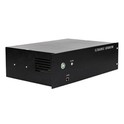
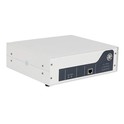
As a supplier of ultrasonic vibration tables, ensuring the performance of these devices is crucial for both our company and our customers. Ultrasonic vibration tables are widely used in various industries, such as semiconductor manufacturing, precision machining, and materials testing, due to their ability to enhance the efficiency and quality of processes through high - frequency vibrations. In this blog, I will share some effective methods on how to check the performance of a new ultrasonic vibration table.
1. Initial Visual Inspection
Before powering on the ultrasonic vibration table, a thorough visual inspection is necessary. First, check the external appearance of the table. Look for any signs of physical damage, such as scratches, dents, or cracks on the table surface and the housing. These damages may not only affect the aesthetic appearance but also potentially compromise the structural integrity of the table, leading to uneven vibrations or even malfunction during operation.
Inspect the connection ports carefully. Ensure that all the cables and connectors are intact and properly seated. Loose or damaged connectors can cause intermittent electrical connections, which may result in unstable vibration performance or failure to start the table. Check the power cord for any fraying or exposed wires, as this poses a significant safety hazard.
2. Power - On and Basic Functionality Test
Once the visual inspection is completed, it's time to power on the ultrasonic vibration table. Connect the table to a stable power source and turn on the power switch. Observe the control panel. The indicator lights should illuminate properly, indicating that the table has received power.
Check the basic control functions. Most ultrasonic vibration tables come with a control panel that allows users to adjust parameters such as vibration frequency, amplitude, and operating time. Try to adjust these parameters one by one and observe the corresponding changes on the display. For example, when you increase the vibration frequency setting, the display should show the updated frequency value accurately. If the display does not respond correctly or shows incorrect values, it may indicate a problem with the control system.
Test the start and stop functions. Press the start button, and the table should start vibrating smoothly. Listen for any abnormal noises during the startup process. Unusual rattling, grinding, or high - pitched whistling sounds may suggest mechanical problems inside the table, such as loose components or misaligned parts. Press the stop button, and the vibration should cease immediately. If the table continues to vibrate after pressing the stop button, there may be an issue with the control circuit or the vibration generator.
3. Vibration Frequency and Amplitude Measurement
Accurate vibration frequency and amplitude are critical for the proper functioning of an ultrasonic vibration table. To measure the vibration frequency, you can use a frequency counter. Connect the frequency counter to the appropriate output port on the ultrasonic vibration table according to the manufacturer's instructions. The frequency counter will display the actual vibration frequency of the table. Compare the measured frequency with the set frequency on the control panel. The difference between the two values should be within an acceptable tolerance range, usually specified by the manufacturer. For example, if the set frequency is 20 kHz, the measured frequency should be close to 20 kHz, with a tolerance of ± 0.1 kHz.
Amplitude measurement can be a bit more challenging. One common method is to use a laser displacement sensor. Mount the laser displacement sensor above the table surface at a fixed distance. As the table vibrates, the sensor can detect the displacement of the table surface, which is related to the vibration amplitude. Analyze the data collected by the sensor to obtain the actual vibration amplitude. Compare the measured amplitude with the set amplitude on the control panel. Similar to the frequency measurement, the measured amplitude should be within the specified tolerance range.
4. Vibration Uniformity Test
A high - quality ultrasonic vibration table should provide uniform vibration across its entire surface. To test the vibration uniformity, you can use a vibration - sensitive material, such as sand or small beads. Spread a thin layer of the vibration - sensitive material evenly on the table surface.
Start the table and let it vibrate for a short period. Observe how the material moves on the table. If the vibration is uniform, the material should move in a consistent pattern across the entire surface. There should be no areas where the material accumulates or remains still, as this indicates uneven vibration.
Another way to test vibration uniformity is by using accelerometers. Place multiple accelerometers at different positions on the table surface. These accelerometers can measure the acceleration of the vibration at each location. Analyze the data collected from all the accelerometers. The acceleration values at different positions should be relatively consistent. If there are significant differences in acceleration values between different areas of the table, it means that the vibration is not uniform.
5. Load - Bearing and Stability Test
In real - world applications, ultrasonic vibration tables often need to support various workpieces. Therefore, it's essential to test the table's load - bearing capacity and stability. Place a test load on the table surface. The test load should be similar in weight and size to the actual workpieces that the table will be used for.
Start the table and let it vibrate for a certain period under the load. Observe the table's performance. The table should be able to maintain stable vibrations without any excessive shaking or displacement. Check if the load remains in place during the vibration process. If the load moves or shifts significantly, it may indicate that the table's clamping mechanism is not strong enough or that the table lacks stability under load.
6. Long - Term Operation Test
To ensure the reliability of the ultrasonic vibration table, a long - term operation test is necessary. Run the table continuously for an extended period, for example, 24 hours or more. During this period, monitor the table's performance regularly. Check the temperature of the table components, especially the vibration generator and the control unit. Excessive heat can cause damage to the electronic components and reduce the table's lifespan.
Listen for any changes in the vibration sound or abnormal noises. If new noises appear or the existing noises become louder during the long - term operation, it may indicate that some components are wearing out or failing. Monitor the control parameters such as frequency and amplitude to ensure that they remain stable throughout the test.
7. Comparison with Product Specifications
After conducting all the above tests, compare the test results with the product specifications provided by the manufacturer. The specifications usually include detailed information about the table's performance parameters, such as vibration frequency range, amplitude range, load - bearing capacity, and operating temperature range.
If the measured values deviate significantly from the specifications, it may indicate a problem with the table. Contact the manufacturer's technical support team for further assistance. They can provide guidance on troubleshooting or arrange for repairs or replacements if necessary.
Our Ultrasonic Vibration Tables
At our company, we offer a range of high - quality ultrasonic vibration tables, including the ResoTab - P30 Ultrasonic Vibration Tables, ResoTab - P20 Ultrasonic Vibration Tables, and ResoTab - F20A Ultrasonic Vibration Tables. These tables are designed with advanced technology and strict quality control to ensure excellent performance and reliability.
If you are interested in our ultrasonic vibration tables or need further information about performance testing and maintenance, please feel free to contact us. Our professional sales team is ready to assist you with any inquiries and guide you through the procurement process. We are committed to providing you with the best products and services to meet your specific needs.


References
- Manufacturer's user manuals for ultrasonic vibration tables
- Industry standards for ultrasonic equipment testing and performance evaluation