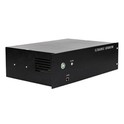
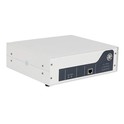
Hey there! As a supplier of 4000w ultrasonic generators, I've been getting a ton of questions lately about how to boost the reliability of these powerful machines. So, I thought I'd put together this blog post to share some tips and tricks that I've picked up over the years.
First off, let's talk about what reliability means in the context of an ultrasonic generator. Essentially, a reliable generator is one that can consistently produce the right amount of power at the right frequency, without breaking down or causing any issues. This is crucial for any industrial or commercial application, where downtime can be extremely costly.
1. Choose High - Quality Components
One of the most important factors in improving the reliability of a 4000w ultrasonic generator is using high - quality components. When you're building or sourcing a generator, make sure to pay close attention to the parts that go into it. For example, the power supply should be able to handle the high power demands of the 4000w unit without overheating or failing. Look for power supplies from reputable manufacturers that have a good track record of reliability.
The circuit boards are another critical component. High - quality circuit boards are made with better materials and have more precise manufacturing processes. They're less likely to develop shorts or other electrical problems over time. It's also a good idea to choose components that are designed to work well together. For instance, if you're using a particular type of transistor in the generator, make sure it's compatible with the other components in the circuit.
2. Proper Cooling
Heat is the enemy of electronic components, and a 4000w ultrasonic generator generates a significant amount of heat during operation. That's why proper cooling is essential for improving its reliability. There are a few different ways to cool an ultrasonic generator.
One common method is using fans. Make sure the fans are properly sized and positioned to effectively move air through the generator. You can also use heat sinks. Heat sinks are designed to absorb and dissipate heat from the components. They're usually made of materials like aluminum, which has good thermal conductivity.
Another option is liquid cooling. While it's more complex and expensive than air cooling, liquid cooling can be much more effective at removing heat from the generator. It involves circulating a coolant through the system to absorb heat from the components and then dissipating it through a radiator.
3. Regular Maintenance
Just like any other piece of equipment, a 4000w ultrasonic generator needs regular maintenance to stay reliable. This includes things like cleaning the unit, checking for loose connections, and inspecting the components for signs of wear and tear.
Cleaning the generator regularly can prevent dust and debris from building up on the components, which can cause overheating and other problems. You can use compressed air to blow out the dust from the inside of the unit.
Checking for loose connections is also crucial. Over time, vibrations and temperature changes can cause the connections in the generator to loosen. Loose connections can lead to electrical arcing, which can damage the components and reduce the reliability of the generator.
Inspecting the components for wear and tear is important too. Look for signs of cracking, burning, or other damage on the circuit boards, transistors, and other parts. If you notice any issues, replace the damaged components as soon as possible.
4. Software Optimization
In modern ultrasonic generators, software plays a big role in their operation. The software controls the frequency, power output, and other parameters of the generator. By optimizing the software, you can improve the reliability of the unit.
Make sure the software is regularly updated. Manufacturers often release software updates to fix bugs, improve performance, and add new features. Keeping the software up - to - date can help prevent issues that could affect the reliability of the generator.
You can also customize the software settings to suit your specific application. For example, if you're using the generator in an environment with a lot of electrical interference, you can adjust the software to filter out the noise and improve the stability of the output.
5. Quality Testing
Before you start using a 4000w ultrasonic generator, it's important to test it thoroughly to ensure its reliability. Quality testing should include both electrical and performance tests.


Electrical tests can check for things like voltage stability, current draw, and insulation resistance. These tests can help identify any electrical problems in the generator before they cause issues during operation.
Performance tests involve running the generator at different power levels and frequencies to make sure it's producing the expected output. You can also test the generator under different environmental conditions, such as different temperatures and humidity levels, to see how it performs in real - world scenarios.
6. Protection Circuits
Adding protection circuits to the 4000w ultrasonic generator can significantly improve its reliability. There are several types of protection circuits that you can use.
Over - current protection circuits are designed to prevent the generator from drawing too much current. If the current exceeds a certain limit, the protection circuit will automatically shut down the generator to prevent damage to the components.
Over - voltage protection circuits work in a similar way. They protect the generator from voltage spikes that could damage the components. If the voltage exceeds a safe level, the protection circuit will either limit the voltage or shut down the generator.
Short - circuit protection is also important. A short - circuit can cause a large amount of current to flow through the generator, which can damage the components. Short - circuit protection circuits detect when a short - circuit occurs and quickly isolate the affected part of the circuit.
7. Training for Operators
Even the most reliable 4000w ultrasonic generator can have problems if it's not operated correctly. That's why it's important to provide proper training for the operators. They should understand how the generator works, what the different controls do, and how to recognize and respond to any issues that might arise.
Training should cover things like starting and stopping the generator, adjusting the power and frequency settings, and performing basic maintenance tasks. It's also a good idea to provide the operators with a user manual that they can refer to if they have any questions.
Related Products
If you're interested in ultrasonic generators with different power levels, we also offer 500W Ultrasonic Generator, 2000W Ultrasonic Generator, and 3000W Ultrasonic Generator. These generators are also built with high - quality components and designed to be reliable for various applications.
In conclusion, improving the reliability of a 4000w ultrasonic generator requires a combination of using high - quality components, proper cooling, regular maintenance, software optimization, quality testing, protection circuits, and operator training. By following these tips, you can ensure that your 4000w ultrasonic generator will provide reliable performance for years to come.
If you're in the market for a 4000w ultrasonic generator or have any questions about improving the reliability of your existing unit, don't hesitate to reach out. We're here to help you make the best choice for your needs.
References
- Electronics Handbook, edited by Jerry C. Whitaker
- Industrial Ultrasonics: Technology and Applications, by David A. Hutchins