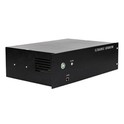
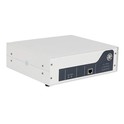
Hey there, fellow lab enthusiasts! As a supplier of the ResoLab - 1000 Lab Grade Ultrasonicator, I get a lot of questions about how to store this bad - boy when it's not in use. Trust me, proper storage isn't just about keeping it out of the way; it's crucial for maintaining its performance and longevity. So, let's dive right in and explore the best ways to store your ResoLab - 1000.
1. Cleaning Before Storage
First things first, you gotta clean your ResoLab - 1000 before you put it away. Ultrasonication often involves working with various substances, and if you leave them on the machine, they can cause corrosion or damage over time.
Start by unplugging the machine from the power source. Safety first, right? Then, use a soft, damp cloth to wipe down the exterior of the ultrasonicator. Make sure to get into all the nooks and crannies, especially around the control panel and the transducer area.
For the interior, if it has a tank, empty any remaining liquid. Fill the tank with a mild cleaning solution, like a diluted dish soap, and run the ultrasonicator for a few minutes. This will help remove any stubborn residues. After that, drain the cleaning solution and rinse the tank thoroughly with clean water. Dry it completely with a clean, dry cloth.
2. Choosing the Right Storage Location
The location where you store your ResoLab - 1000 matters a whole lot. You want a place that's dry, cool, and free from excessive dust and vibrations.
A storage cabinet in a lab is usually a good option. It protects the machine from dust and keeps it away from direct sunlight. Sunlight can heat up the machine and potentially damage its internal components.
Avoid storing it in areas prone to flooding or high humidity. Moisture can cause rust and electrical problems. If your lab doesn't have a dry area, you might consider using a dehumidifier in the storage space.
Also, keep it away from heavy machinery or areas with a lot of foot traffic. Vibrations can loosen the internal parts of the ultrasonicator, leading to malfunctions.
3. Protecting the Transducer
The transducer is the heart of the ResoLab - 1000. It's responsible for generating the ultrasonic waves. So, you need to take extra care of it during storage.


Cover the transducer with a protective cap if it came with one. This prevents dust and debris from getting on the transducer surface. If you don't have a cap, you can use a clean, soft cloth to gently cover it.
Don't let the transducer come into contact with sharp objects. A small scratch on the transducer can significantly affect its performance.
4. Storing the Power Cord
The power cord is another important part. Coil it up neatly and secure it with a cable tie or a Velcro strap. This prevents the cord from getting tangled, which can cause damage to the wires inside.
Avoid bending the cord too tightly. Sharp bends can break the internal conductors, leading to electrical issues when you use the machine again.
5. Documentation and Accessories
Don't forget about the documentation and accessories that came with your ResoLab - 1000. Keep the user manual, warranty information, and any other paperwork in a safe place. You might need them in the future for maintenance or troubleshooting.
Store the accessories, like probes or sample holders, in a separate container. This keeps them organized and protected. You can use a small plastic box or a padded case for this purpose.
6. Periodic Checks
Even when the ResoLab - 1000 is in storage, it's a good idea to check on it periodically. Every few months, take it out of storage, plug it in, and run a short test. This helps ensure that all the components are still working properly.
Inspect the exterior for any signs of damage, like cracks or discoloration. Check the power cord for fraying or other issues. If you notice any problems, address them right away.
7. Other ResoLab Ultrasonicator Options
If you're thinking about expanding your lab equipment or replacing your ResoLab - 1000 in the future, we also offer other great models. Check out the ResoLab - 2000 Lab Grade Ultrasonicator for more advanced features and higher power. And if you have smaller - scale projects, the ResoLab - 500 Lab Grade Ultrasonicator might be the perfect fit.
Conclusion
Proper storage of your ResoLab - 1000 Lab Grade Ultrasonicator is essential for keeping it in top - notch condition. By following these simple steps, you can ensure that your machine is ready to go whenever you need it. And if you're interested in learning more about our products or are thinking of making a purchase, don't hesitate to reach out. We're here to help you find the best ultrasonication solution for your lab needs. Check out the ResoLab - 1000 Lab Grade Ultrasonicator on our website and start a conversation with us about how we can meet your requirements.
References
- General knowledge of laboratory equipment maintenance
- Manufacturer's guidelines for ResoLab - 1000 Lab Grade Ultrasonicator