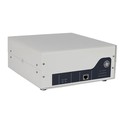
In the bustling environment of a dental office, maintaining the highest standards of cleanliness and sterilization is not just a preference; it's a necessity. This is where ultrasonic cleaners come into play, offering a range of advantages that significantly enhance the efficiency and effectiveness of dental instrument cleaning. As a leading supplier of ultrasonic cleaning solutions, I've witnessed firsthand how these devices revolutionize the way dental practices operate.
Enhanced Cleaning Power
One of the primary advantages of using an ultrasonic cleaner in a dental office is its unparalleled cleaning power. Traditional cleaning methods, such as manual scrubbing, often struggle to reach the intricate crevices and hard - to - reach areas of dental instruments. Ultrasonic cleaners, on the other hand, use high - frequency sound waves to create millions of tiny bubbles in a cleaning solution through a process called cavitation.
When these bubbles collapse, they generate a powerful shockwave that dislodges dirt, debris, and organic matter from the surface of the instruments. This means that even the most stubborn contaminants, such as blood, saliva, and plaque, can be effectively removed. For example, dental handpieces, which have complex internal structures, can be thoroughly cleaned with an ultrasonic cleaner. Our ResoRod - 40 Ultrasonic Transducer for Cleaning is specifically designed to produce the optimal frequency and intensity of ultrasonic waves, ensuring a deep and thorough clean for all types of dental instruments.
Time - Saving
In a busy dental office, time is of the essence. Ultrasonic cleaners can significantly reduce the time required for instrument cleaning. Manual cleaning of dental instruments is a labor - intensive process that can take a considerable amount of time, especially when dealing with a large number of instruments. With an ultrasonic cleaner, multiple instruments can be cleaned simultaneously in a single cleaning cycle.
For instance, instead of spending hours scrubbing each instrument individually, dental staff can simply place the instruments in the ultrasonic cleaner and let it do the work. The cleaning process can be completed in a matter of minutes, allowing the staff to focus on other important tasks, such as patient care. This not only improves the overall efficiency of the dental office but also increases the number of patients that can be treated in a day.
Improved Sterilization
Proper sterilization is crucial in a dental office to prevent the spread of infections. Ultrasonic cleaning is an essential pre - sterilization step that prepares the instruments for subsequent sterilization processes. By removing the majority of the organic matter and debris from the instruments, ultrasonic cleaning ensures that the sterilization process is more effective.
If instruments are not properly cleaned before sterilization, the remaining contaminants can act as a barrier, preventing the sterilizing agent from reaching all parts of the instrument. This can lead to incomplete sterilization and increase the risk of cross - contamination. Our ResoRod - 35 - H Ultrasonic Transducer for Cleaning helps in achieving a high - level of pre - sterilization cleaning, making the subsequent sterilization process more reliable.
Cost - Effective
While the initial investment in an ultrasonic cleaner may seem significant, it is a cost - effective solution in the long run. By reducing the time and labor required for instrument cleaning, ultrasonic cleaners can lower the overall operating costs of a dental office. Additionally, they can extend the lifespan of dental instruments.
Manual cleaning methods can cause wear and tear on the instruments over time, especially if the scrubbing is too aggressive. Ultrasonic cleaning, on the other hand, is a gentle yet effective cleaning method that minimizes damage to the instruments. This means that dental practices can save money on instrument replacement costs. Moreover, since ultrasonic cleaners use less water and cleaning solution compared to traditional cleaning methods, they also help in reducing the cost of consumables.
Consistent Cleaning Results
Another advantage of ultrasonic cleaners is their ability to provide consistent cleaning results. Manual cleaning is prone to human error, and the quality of cleaning can vary depending on the skill and attention of the person doing the cleaning. Ultrasonic cleaners, however, operate based on a set of predefined parameters, such as frequency, intensity, and cleaning time.
This ensures that every instrument is cleaned to the same high standard, regardless of who is operating the cleaner. Whether it's a small dental mirror or a large dental handpiece, the ultrasonic cleaner will deliver a consistent and thorough clean. Our ResoRod - 30 Ultrasonic Transducer for Cleaning is engineered to provide stable and reliable ultrasonic performance, guaranteeing consistent cleaning results every time.
Easy to Use
Ultrasonic cleaners are relatively easy to use, even for dental staff with limited technical knowledge. Most ultrasonic cleaners come with a user - friendly control panel that allows the operator to set the cleaning time, temperature, and other parameters. Once the instruments are placed in the cleaning tank and the appropriate cleaning solution is added, the operator simply needs to press a button to start the cleaning process.
In addition, ultrasonic cleaners require minimal maintenance. Regularly cleaning the cleaning tank and replacing the cleaning solution as needed are usually the only maintenance tasks required. This makes ultrasonic cleaners a convenient and hassle - free solution for dental offices.


Compliance with Regulations
Dental offices are subject to strict regulations regarding instrument cleaning and sterilization. Using an ultrasonic cleaner can help dental practices meet these regulatory requirements. By providing a thorough and consistent cleaning process, ultrasonic cleaners ensure that the instruments are properly prepared for sterilization, which is a key component of regulatory compliance.
For example, regulatory bodies often require that dental instruments be free of visible debris and organic matter before sterilization. Ultrasonic cleaning can effectively remove these contaminants, helping dental offices avoid potential fines and legal issues associated with non - compliance.
Conclusion
In conclusion, the advantages of using an ultrasonic cleaner in a dental office are numerous. From enhanced cleaning power and time - saving to improved sterilization and cost - effectiveness, ultrasonic cleaners offer a comprehensive solution for instrument cleaning. As a supplier of high - quality ultrasonic cleaning products, we are committed to providing dental practices with the best possible solutions to meet their cleaning needs.
If you're interested in learning more about our ultrasonic cleaning products or would like to discuss your specific requirements, we encourage you to reach out to us for a procurement discussion. Our team of experts is ready to assist you in finding the perfect ultrasonic cleaning solution for your dental office.
References
- Dental Instrument Cleaning and Sterilization Guidelines, American Dental Association.
- Ultrasonic Cleaning Technology: Principles and Applications, Journal of Dental Instrumentation.
- Cost - Benefit Analysis of Ultrasonic Cleaning in Dental Practices, International Journal of Dental Management.