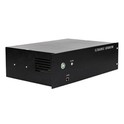
Hey there! As a supplier of 1000w ultrasonic generators, I often get asked about the bonding strength when using our product. So, I thought I'd write this blog to share some insights on this topic.
First off, let's understand what ultrasonic bonding is all about. Ultrasonic bonding is a process that uses high - frequency ultrasonic vibrations to create a bond between two or more materials. The 1000w ultrasonic generator is a key component in this process. It provides the necessary power to generate those high - frequency vibrations.
When it comes to bonding strength, there are several factors at play. The type of materials being bonded is a huge factor. Different materials have different physical and chemical properties, which can greatly affect how well they bond under ultrasonic vibrations. For example, bonding two pieces of plastic might have a different bonding strength compared to bonding a plastic to a metal.


The surface condition of the materials also matters. If the surfaces are dirty, oily, or have some kind of coating, it can reduce the bonding strength. The ultrasonic waves need to be able to transfer energy effectively between the materials, and any contaminants on the surface can act as a barrier.
The design of the ultrasonic horn, which is the part that comes into contact with the materials, is another important aspect. A well - designed horn can distribute the ultrasonic energy evenly across the bonding area, resulting in a stronger bond. Our 1000w ultrasonic generators are often paired with high - quality horns that are designed to optimize energy transfer.
Now, let's talk about some real - world applications and the bonding strength requirements. In the automotive industry, ultrasonic bonding is used to assemble various components like sensors, connectors, and interior parts. For these applications, a high bonding strength is crucial as the parts need to withstand vibrations, temperature changes, and mechanical stress during the vehicle's operation.
In the electronics industry, ultrasonic bonding is used to attach wires to circuit boards and to assemble small electronic devices. Here, the bonding strength needs to be sufficient to ensure reliable electrical connections and to prevent the components from coming loose due to handling or environmental factors.
In the medical industry, ultrasonic bonding is used to assemble medical devices such as syringes, catheters, and diagnostic equipment. The bonding strength in these applications needs to meet strict safety and quality standards, as any failure in the bond could have serious consequences for patient health.
When using our 1000w ultrasonic generator, we've seen some great results in terms of bonding strength. In many cases, the bonds created are strong enough to meet the requirements of these industries. However, it's important to note that the exact bonding strength can vary depending on the specific application and the factors I mentioned earlier.
We also offer different power options for our ultrasonic generators. If you need a higher power for more demanding applications, we have the 6000W Ultrasonic Generator, 4000W Ultrasonic Generator, and 2000W Ultrasonic Generator. These higher - power generators can provide more energy for larger bonding areas or for materials that are more difficult to bond.
So, how can you test the bonding strength when using our 1000w ultrasonic generator? There are several methods. One common method is the tensile test, where you pull the bonded materials apart and measure the force required to break the bond. Another method is the shear test, where you apply a force parallel to the bonding surface to see how well the bond can resist shearing.
We often work closely with our customers to help them optimize the ultrasonic bonding process for their specific needs. We can provide technical support, offer advice on horn design, and help with setting up the right parameters on the 1000w ultrasonic generator.
If you're in an industry that requires ultrasonic bonding and you're looking for a reliable 1000w ultrasonic generator, we'd love to hear from you. Whether you're a small - scale manufacturer or a large - scale industrial company, our product can offer you a cost - effective and high - performance solution.
If you have any questions about the bonding strength, the ultrasonic generator itself, or how it can be applied to your specific application, don't hesitate to reach out. We're here to assist you in getting the best results from our 1000w ultrasonic generators.
In conclusion, the bonding strength when using a 1000w ultrasonic generator depends on multiple factors such as the materials, surface condition, horn design, and application requirements. Our generators are designed to provide a reliable and strong bonding solution, and we're ready to work with you to meet your specific needs. So, if you're interested in learning more or making a purchase, just get in touch, and let's start the conversation!
References:
- "Ultrasonic Welding Handbook" by John W. S. Hearmon
- "Industrial Ultrasonics: Theory, Applications, and Design" by John C. Hasler