In the realm of medical and industrial applications, ultrasonic imaging has emerged as a powerful and versatile tool. It provides non-invasive visualization of internal structures, enabling early disease detection, quality control in manufacturing, and much more. At the heart of any ultrasonic imaging system lies the ultrasonic transducer, a device that converts electrical energy into ultrasonic waves and vice versa. As a supplier of Universal Ultrasonic Transducers, I often encounter the question: Can a universal ultrasonic transducer be used in ultrasonic imaging? In this blog post, I will delve into this topic, exploring the capabilities and limitations of universal ultrasonic transducers in the context of ultrasonic imaging.
Understanding Universal Ultrasonic Transducers
Before we can assess the suitability of universal ultrasonic transducers for imaging, it's important to understand what they are. A universal ultrasonic transducer is designed to be adaptable and flexible, capable of operating across a wide range of frequencies and applications. Unlike specialized transducers that are optimized for a single task, such as high-resolution imaging or deep tissue penetration, universal transducers offer a balance of performance characteristics. This makes them a popular choice for applications where versatility is key, such as research laboratories, educational institutions, and small-scale industrial operations.
Universal ultrasonic transducers typically feature a multi-element design, which allows for the generation and reception of ultrasonic waves at different frequencies. By adjusting the electrical signals applied to each element, the transducer can be configured to produce a variety of beam patterns, including focused and unfocused beams. This flexibility enables the transducer to be used for a wide range of imaging tasks, from surface inspections to volumetric imaging of internal organs.
Advantages of Using Universal Ultrasonic Transducers in Imaging
One of the primary advantages of using a universal ultrasonic transducer in imaging is its cost-effectiveness. Since a single transducer can be used for multiple applications, there is no need to invest in multiple specialized transducers, which can be expensive. This makes universal transducers an attractive option for budget-conscious users who need to perform a variety of imaging tasks without breaking the bank.
Another advantage of universal ultrasonic transducers is their ease of use. With a single transducer, users can quickly switch between different imaging modes and frequencies, without having to worry about changing transducers or reconfiguring the imaging system. This saves time and reduces the complexity of the imaging process, making it more accessible to users with limited technical expertise.
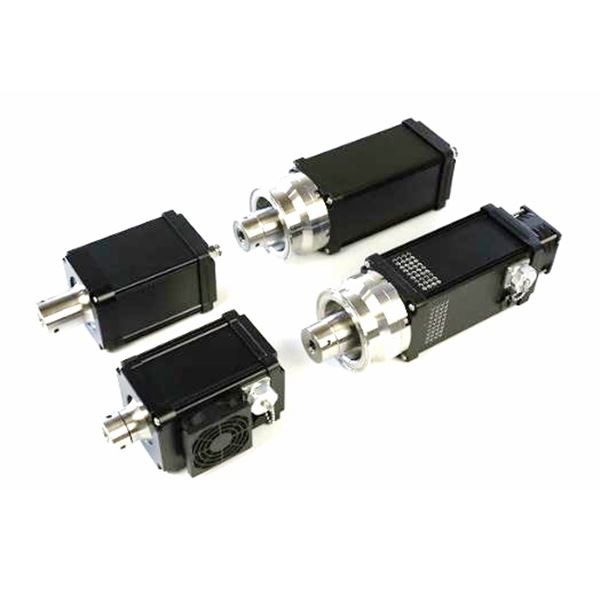
Universal ultrasonic transducers also offer a high degree of flexibility in terms of imaging depth and resolution. By adjusting the frequency and beam pattern of the transducer, users can optimize the imaging parameters for different applications. For example, lower frequencies can be used for deep tissue imaging, while higher frequencies can be used for high-resolution imaging of superficial structures. This flexibility allows users to obtain the best possible image quality for their specific needs.
Limitations of Universal Ultrasonic Transducers in Imaging
While universal ultrasonic transducers offer many advantages, they also have some limitations when it comes to imaging. One of the main limitations is their performance compared to specialized transducers. Since universal transducers are designed to be versatile, they may not offer the same level of performance as specialized transducers that are optimized for a specific application. For example, a specialized high-resolution transducer may provide better image quality than a universal transducer when imaging small, detailed structures.
Another limitation of universal ultrasonic transducers is their sensitivity. Since they are designed to operate across a wide range of frequencies, they may not be as sensitive as specialized transducers that are optimized for a specific frequency range. This can result in lower signal-to-noise ratios and reduced image quality, especially when imaging deep or highly attenuating tissues.
Finally, universal ultrasonic transducers may not be suitable for all imaging applications. Some applications, such as 3D imaging and elastography, require specialized transducers with specific features and capabilities. In these cases, a universal transducer may not be able to provide the necessary performance or functionality.
Factors to Consider When Using Universal Ultrasonic Transducers in Imaging
When considering using a universal ultrasonic transducer in imaging, there are several factors that need to be taken into account. These include the type of imaging application, the desired image quality, the depth of penetration, and the available budget.
The type of imaging application will determine the specific requirements of the transducer. For example, if the application requires high-resolution imaging of small structures, a transducer with a high frequency and a narrow beam width may be required. On the other hand, if the application requires deep tissue imaging, a transducer with a lower frequency and a wider beam width may be more suitable.
The desired image quality will also play a role in the selection of the transducer. Higher-quality images typically require a transducer with a higher sensitivity and a lower noise level. However, these transducers may also be more expensive.
The depth of penetration is another important factor to consider. Deeper penetration requires a lower frequency transducer, but this may also result in lower resolution. Therefore, a balance needs to be struck between depth of penetration and resolution.
Finally, the available budget will also influence the choice of transducer. Universal ultrasonic transducers are generally more cost-effective than specialized transducers, but they may still vary in price depending on their features and capabilities. It's important to choose a transducer that meets your specific needs and budget.
Conclusion
In conclusion, a universal ultrasonic transducer can be used in ultrasonic imaging, but its suitability depends on the specific application and requirements. While universal transducers offer many advantages, such as cost-effectiveness, ease of use, and flexibility, they also have some limitations, such as lower performance compared to specialized transducers and reduced sensitivity. When considering using a universal ultrasonic transducer in imaging, it's important to carefully evaluate the specific requirements of the application and choose a transducer that meets your needs and budget.
If you're interested in learning more about our Universal Ultrasonic Transducers or discussing your imaging needs, please don't hesitate to contact us. Our team of experts is always available to provide you with the information and support you need to make an informed decision.
References
- Bushberg, J. T., Seibert, J. A., Leidholdt, E. M., & Boone, J. M. (2011). The essential physics of medical imaging. Lippincott Williams & Wilkins.
- Szabo, T. L. (2004). Diagnostic ultrasound imaging: inside out. Elsevier.
- Ophir, J., Cespedes, I., Ponnekanti, H., Yazdi, Y., & Li, X. (1991). Elastography: A quantitative method for imaging the elasticity of biological tissues. Ultrasonic imaging, 13(2), 111-134.