When it comes to ultrasonic rings, one of the most frequently asked questions is about their operating temperature range. As a supplier of high - quality ultrasonic rings, I understand the importance of this parameter for our customers. In this blog post, I'll delve into the details of the operating temperature range of ultrasonic rings, how it affects performance, and why it matters in different applications.
Understanding Ultrasonic Rings
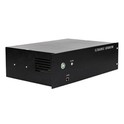
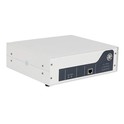
Before we discuss the operating temperature range, let's briefly introduce what ultrasonic rings are. Ultrasonic rings are devices that generate ultrasonic waves. These waves are used for a variety of applications, such as ultrasonic cleaning, which is highly effective in removing dirt, grease, and contaminants from various objects. Our company offers two popular models: the [ResoRing - 30 Ultrasonic Ring](/ultrasonic - cleaning/ultrasonic - ring/resoring - 30 - ultrasonic - ring.html) and the [ResoRing - 25 Ultrasonic Ring](/ultrasonic - cleaning/ultrasonic - ring/resoring - 25 - ultrasonic - ring.html). These rings are designed with advanced technology to provide reliable and efficient ultrasonic performance.
The Significance of Operating Temperature Range
The operating temperature range of an ultrasonic ring is a critical factor that determines its functionality and longevity. Different materials used in the construction of ultrasonic rings have different thermal properties. If the temperature goes beyond the specified range, it can lead to several issues.
Firstly, the performance of the ultrasonic ring may be affected. Ultrasonic waves are generated by the vibration of piezoelectric elements inside the ring. Extreme temperatures can cause these elements to expand or contract, altering their resonance frequency. When the resonance frequency changes, the efficiency of ultrasonic wave generation decreases, resulting in poor cleaning performance.
Secondly, high temperatures can accelerate the aging process of the materials used in the ring. For example, the insulation materials may degrade more quickly, leading to potential electrical failures. On the other hand, extremely low temperatures can make the materials brittle, increasing the risk of mechanical damage.

Typical Operating Temperature Range
The operating temperature range of our ultrasonic rings is carefully designed to meet the needs of various applications. Generally, the [ResoRing - 30 Ultrasonic Ring](/ultrasonic - cleaning/ultrasonic - ring/resoring - 30 - ultrasonic - ring.html) and [ResoRing - 25 Ultrasonic Ring](/ultrasonic - cleaning/ultrasonic - ring/resoring - 25 - ultrasonic - ring.html) have an operating temperature range from - 20°C to 80°C.
In lower temperature environments, such as - 20°C, the ultrasonic ring can still function, but its performance may be slightly reduced. The piezoelectric elements may have a slower response time, which means that the ultrasonic waves may not be generated as efficiently. However, this is usually within an acceptable range for most applications.
At the upper end of the range, 80°C, the ring can operate continuously without significant damage. But it's important to note that long - term exposure to high temperatures may still have an impact on the lifespan of the ring. Therefore, if the application requires continuous operation at high temperatures, additional cooling measures may be necessary.
Factors Affecting the Operating Temperature Range
Several factors can affect the actual operating temperature range of an ultrasonic ring.
Ambient Temperature: This is the most obvious factor. In a hot environment, the temperature of the ultrasonic ring will naturally rise. For example, in industrial settings where there are other heat - generating equipment, the ambient temperature can be quite high. In such cases, proper ventilation or cooling systems should be installed to keep the ultrasonic ring within its operating temperature range.
Power Input: Higher power input to the ultrasonic ring generates more heat. If the power is set too high, the temperature of the ring can quickly exceed the normal operating range. Therefore, it's important to adjust the power according to the specific application requirements.
Duty Cycle: The duty cycle refers to the ratio of the time the ultrasonic ring is on to the total time. A high duty cycle means the ring is operating for a longer period without breaks, which can cause the temperature to rise. For applications that require continuous operation, a lower power setting or additional cooling may be needed to maintain the temperature within the acceptable range.
Applications and Temperature Considerations
Different applications have different temperature requirements for ultrasonic rings.
Medical Equipment Cleaning: In the medical field, ultrasonic cleaning is widely used to clean surgical instruments. The cleaning solution is usually at room temperature, around 20 - 25°C, which is well within the operating temperature range of our ultrasonic rings. However, it's important to ensure that the cleaning process does not generate excessive heat, which could damage the delicate instruments.
Industrial Parts Cleaning: Industrial parts may be contaminated with heavy grease and dirt, and the cleaning process may require higher - power ultrasonic waves. In some cases, the cleaning solution may be heated to improve the cleaning efficiency. When using our ultrasonic rings in such applications, it's crucial to monitor the temperature to ensure it stays within the - 20°C to 80°C range.
Jewelry Cleaning: Jewelry cleaning is often done at relatively low temperatures. The ultrasonic ring can operate efficiently at room temperature, providing a gentle yet effective cleaning method for precious metals and gemstones.
Maintaining the Right Temperature
To ensure the optimal performance and longevity of our ultrasonic rings, it's essential to maintain the right temperature. Here are some tips:

- Proper Installation: Install the ultrasonic ring in a well - ventilated area. Avoid placing it near heat - generating equipment or in a confined space.
- Temperature Monitoring: Use a temperature sensor to monitor the temperature of the ultrasonic ring during operation. If the temperature approaches the upper or lower limit of the operating range, take appropriate measures.
- Cooling Systems: For applications that generate a lot of heat, consider using a cooling system, such as a water - cooling or air - cooling system. This can help keep the temperature within the safe range.
Conclusion
The operating temperature range of an ultrasonic ring is a crucial parameter that affects its performance and lifespan. Our [ResoRing - 30 Ultrasonic Ring](/ultrasonic - cleaning/ultrasonic - ring/resoring - 30 - ultrasonic - ring.html) and [ResoRing - 25 Ultrasonic Ring](/ultrasonic - cleaning/ultrasonic - ring/resoring - 25 - ultrasonic - ring.html) are designed to operate within a range of - 20°C to 80°C, making them suitable for a wide variety of applications. By understanding the factors that affect the temperature and taking appropriate measures to maintain it, you can ensure the efficient and reliable operation of the ultrasonic ring.
If you're interested in purchasing our ultrasonic rings or have any questions about their operating temperature range or other specifications, please feel free to contact us for a procurement discussion. We're committed to providing you with the best products and solutions for your ultrasonic cleaning needs.
References
- "Ultrasonic Technology and Its Applications" - A comprehensive textbook on ultrasonic technology, which provides in - depth knowledge about the principles and performance of ultrasonic devices.
- Industry reports on ultrasonic cleaning equipment, which offer practical insights into the operating conditions and temperature requirements of ultrasonic rings in different industries.