Yo, folks! As a supplier of ultrasonic filtration systems, I've been getting a bunch of questions about ultrasonic diffraction in these systems. So, I thought I'd break it down for you in this blog post.
Let's start with the basics. Ultrasonic filtration systems are pretty rad. They use ultrasonic waves to clean and filter all sorts of fluids. Whether it's water in a chemical plant or oil in a manufacturing process, these systems can do the job. And that's where ultrasonic diffraction comes in.
What is Ultrasonic Diffraction?
Ultrasonic diffraction is like when you're trying to shine a flashlight through a keyhole. The light doesn't just go straight through; it spreads out a bit around the edges. In the same way, when ultrasonic waves hit an object or a boundary in a fluid, they don't just bounce off or pass through. They bend and spread around the object, and that's diffraction.
You see, ultrasonic waves are high - frequency sound waves. When they travel through a fluid in an ultrasonic filtration system, they encounter particles, bubbles, or the walls of the filtration chamber. These are like the "keyholes" for the ultrasonic waves. When the waves meet these obstacles, they start to diffract.
How Does it Work in an Ultrasonic Filtration System?
In an ultrasonic filtration system, diffraction plays a crucial role. Picture this: You've got a tank full of dirty fluid, and you want to filter out all the unwanted particles. The ultrasonic waves are sent through the fluid. When they encounter the particles, they diffract around them.
This diffraction helps in a couple of ways. First, it creates a sort of "agitation" around the particles. The waves are pushing and pulling on the fluid molecules, and because of diffraction, this agitation affects the particles too. It makes the particles move around more, which can prevent them from sticking together and clogging up the filter.
Second, diffraction can also help in separating the particles from the fluid. The ultrasonic waves can cause the particles to move towards areas where the wave intensity is different. This is called acoustic radiation force, and diffraction helps in creating the right conditions for this force to work effectively.
Types of Ultrasonic Filtration Systems and Diffraction
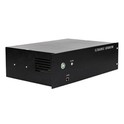
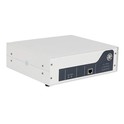
We offer two main types of ultrasonic filtration systems: the Ultrasonic Pipe Filter and the Ultrasonic Tank Filter.
Ultrasonic Pipe Filter
The Ultrasonic Pipe Filter is great for continuous flow applications. In a pipe, the ultrasonic waves travel along the length of the pipe. When they encounter particles in the flowing fluid, diffraction occurs. The shape of the pipe also affects the diffraction pattern. The waves will diffract around the particles and the walls of the pipe. This helps in keeping the particles in suspension and preventing them from sticking to the pipe walls. The continuous flow of the fluid then carries the particles towards the filter, where they can be removed.
Ultrasonic Tank Filter
The Ultrasonic Tank Filter is used when you have a large volume of fluid that needs to be filtered. In a tank, the ultrasonic waves spread out in all directions. When they hit the particles in the fluid, diffraction happens in a more three - dimensional way. This creates a complex pattern of agitation throughout the tank. The particles are constantly being moved around, and the acoustic radiation force can push them towards the filter.
Factors Affecting Diffraction in Ultrasonic Filtration
There are a few factors that can affect how diffraction works in an ultrasonic filtration system.


Frequency of the Ultrasonic Waves
The frequency of the ultrasonic waves is a big deal. Higher frequency waves have shorter wavelengths. When the wavelength is shorter, the waves are more likely to diffract around smaller particles. Lower frequency waves have longer wavelengths and are better at diffracting around larger objects. So, depending on the size of the particles you're trying to filter, you might need to adjust the frequency of the ultrasonic waves.
Size and Shape of the Particles
The size and shape of the particles also matter. Irregularly shaped particles can cause more complex diffraction patterns compared to spherical particles. Larger particles will diffract the waves differently than smaller ones. The system needs to be designed to handle the specific size and shape of the particles in the fluid.
Properties of the Fluid
The properties of the fluid, such as its density and viscosity, can affect diffraction. A more viscous fluid will slow down the ultrasonic waves, which can change the diffraction pattern. Density can also play a role in how the waves interact with the particles and how the acoustic radiation force works.
Benefits of Diffraction in Ultrasonic Filtration
The use of diffraction in ultrasonic filtration systems offers several benefits.
Improved Filtration Efficiency
By keeping the particles in motion and preventing them from clogging the filter, diffraction helps in improving the overall filtration efficiency. The system can filter more fluid in less time, which is great for industrial applications where time is money.
Longer Filter Life
Since the particles are less likely to stick together and clog the filter, the filter lasts longer. This means less downtime for filter replacement and lower maintenance costs.
Better Particle Separation
Diffraction helps in creating the right conditions for the acoustic radiation force to work, which leads to better particle separation. You can get a cleaner fluid output, which is essential for many industries, like the food and beverage industry or the pharmaceutical industry.
Why Choose Our Ultrasonic Filtration Systems?
As a supplier, we've spent a lot of time perfecting our ultrasonic filtration systems. We understand how diffraction works and how to optimize it for different applications. Our systems are designed to be efficient, reliable, and easy to maintain.
Whether you need a Ultrasonic Pipe Filter for a continuous flow process or an Ultrasonic Tank Filter for a large - scale batch filtration, we've got you covered.
If you're in the market for an ultrasonic filtration system, we'd love to talk to you. Whether you're a small business or a large industrial company, we can find the right solution for your needs. Just reach out to us, and we can start a conversation about how our systems can help you improve your filtration process.
References
- "Ultrasonic Technology for Liquid Processing" - A comprehensive book on ultrasonic applications in liquid filtration.
- "Acoustics: An Introduction to Its Physical Principles and Applications" - A great resource for understanding the physics of ultrasonic waves and diffraction.