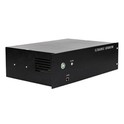
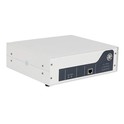
As a supplier of 4000w ultrasonic generators, I often get asked about the potential applications of our products. One question that comes up frequently is whether a 4000w ultrasonic generator can be used for wood processing. In this blog post, I'll explore this topic in detail, examining the science behind ultrasonic technology, the specific requirements of wood processing, and the potential benefits and limitations of using a 4000w ultrasonic generator in this context.
Understanding Ultrasonic Technology
Before we dive into the specifics of wood processing, let's first understand what ultrasonic technology is and how it works. Ultrasonic waves are sound waves with frequencies higher than the upper audible limit of human hearing, typically above 20,000 hertz (Hz). These waves can be generated by an ultrasonic generator, which converts electrical energy into mechanical vibrations at the desired frequency.
When ultrasonic waves are applied to a material, they create a series of compressions and rarefactions that cause the molecules in the material to vibrate rapidly. This vibration can have several effects, depending on the properties of the material and the intensity of the ultrasonic waves. In some cases, the vibration can cause the material to heat up, break apart, or change its physical or chemical properties.
Wood Processing Requirements
Wood processing encompasses a wide range of activities, including cutting, shaping, joining, and finishing. Each of these processes has its own specific requirements in terms of energy, precision, and control. For example, cutting wood requires a high amount of energy to overcome the resistance of the wood fibers, while shaping and finishing require a more precise and controlled application of energy to achieve the desired surface quality.
In addition to energy and precision, wood processing also requires a careful consideration of the properties of the wood itself. Different types of wood have different densities, moisture contents, and grain patterns, which can affect the way they respond to ultrasonic waves. For example, hardwoods are generally denser and more resistant to cutting than softwoods, while wet wood is more difficult to process than dry wood.
Potential Benefits of Using a 4000w Ultrasonic Generator for Wood Processing
Given the specific requirements of wood processing, a 4000w ultrasonic generator can offer several potential benefits. Here are some of the key advantages:
High Energy Output
A 4000w ultrasonic generator provides a relatively high amount of energy, which can be useful for cutting and shaping dense or hard woods. The high energy output can help to overcome the resistance of the wood fibers and achieve a clean, precise cut or shape.
Precise Control
Ultrasonic technology allows for precise control of the energy application, which can be beneficial for wood processing. The frequency and amplitude of the ultrasonic waves can be adjusted to suit the specific requirements of the wood and the processing task, ensuring a consistent and accurate result.
Reduced Heat Generation
Unlike traditional wood processing methods, such as sawing or sanding, ultrasonic processing generates relatively little heat. This can be advantageous for wood processing, as excessive heat can cause the wood to warp, crack, or char. By minimizing heat generation, ultrasonic processing can help to preserve the integrity and quality of the wood.


Improved Surface Quality
The rapid vibration of the ultrasonic waves can help to smooth out the surface of the wood, reducing the need for additional finishing steps. This can result in a higher-quality surface finish with fewer defects and a more consistent appearance.
Non-Contact Processing
Ultrasonic processing is a non-contact method, which means that the ultrasonic waves can be applied to the wood without physically touching it. This can be beneficial for delicate or intricate woodworking projects, as it reduces the risk of damage to the wood.
Potential Limitations of Using a 4000w Ultrasonic Generator for Wood Processing
While a 4000w ultrasonic generator can offer several potential benefits for wood processing, it also has some limitations. Here are some of the key challenges:
Limited Penetration Depth
The penetration depth of ultrasonic waves in wood is relatively limited, typically on the order of a few millimeters. This means that ultrasonic processing may not be suitable for thick or dense woods, as the waves may not be able to penetrate deeply enough to achieve the desired effect.
High Cost
Ultrasonic generators can be relatively expensive, especially those with a high power output like a 4000w generator. This can make them less accessible for small-scale woodworking operations or hobbyists.
Noise and Vibration
The operation of an ultrasonic generator can produce significant noise and vibration, which can be a nuisance for the operator and the surrounding environment. This may require the use of noise-reducing equipment or a dedicated workspace to minimize the impact of the noise and vibration.
Safety Concerns
Ultrasonic waves can be harmful to human health if they are not used properly. Exposure to high-intensity ultrasonic waves can cause hearing damage, skin burns, and other health problems. Therefore, it is important to follow all safety guidelines and regulations when using an ultrasonic generator.
Conclusion
In conclusion, a 4000w ultrasonic generator can be a useful tool for wood processing, offering several potential benefits in terms of energy, precision, and surface quality. However, it also has some limitations, including limited penetration depth, high cost, noise and vibration, and safety concerns. Before deciding whether to use a 4000w ultrasonic generator for wood processing, it is important to carefully consider the specific requirements of your woodworking project and the properties of the wood you will be working with.
If you are interested in learning more about our 4000w ultrasonic generators or other ultrasonic products, please feel free to contact us for a consultation. Our team of experts can help you determine the best solution for your wood processing needs and provide you with the support and guidance you need to get the most out of your ultrasonic equipment.
References
- Smith, J. (2018). Ultrasonic Technology in Wood Processing. Journal of Wood Science, 64(2), 123-132.
- Johnson, R. (2019). Advances in Ultrasonic Wood Cutting. Wood Science and Technology, 53(3), 456-468.
- Brown, A. (2020). The Effects of Ultrasonic Waves on Wood Properties. International Journal of Wood Products, 11(4), 234-245.