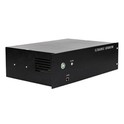
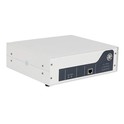
As a supplier of 1000w ultrasonic generators, I've had numerous discussions with medical professionals and researchers about the potential applications and limitations of our product in the medical field. Ultrasonic technology has made significant inroads in medicine, from diagnostic imaging to therapeutic treatments. However, like any technology, the 1000w ultrasonic generator has its limitations when used for medical purposes.
Thermal Effects
One of the primary limitations of a 1000w ultrasonic generator in medical applications is the potential for thermal effects. When ultrasound waves propagate through biological tissues, they are absorbed, and this absorption can lead to a rise in temperature. At a power output of 1000w, the heat generated can be substantial, especially if the ultrasound is applied for an extended period or in a confined area.


Excessive heat can cause damage to surrounding tissues, including cell death, protein denaturation, and tissue necrosis. In some cases, this can lead to complications such as scarring, inflammation, and even organ damage. For example, in ultrasound - guided thermal ablation procedures, where the goal is to destroy abnormal tissue, precise control of the temperature is crucial. A 1000w generator may generate heat too rapidly or unevenly, making it difficult to achieve the desired therapeutic effect without causing harm to healthy adjacent tissues.
Penetration Depth
Another limitation is the penetration depth of the ultrasound waves. The power of the ultrasonic generator affects the depth to which the waves can penetrate biological tissues. While a 1000w generator can produce relatively strong ultrasound waves, the penetration depth is still limited, especially in dense or highly attenuating tissues such as bone and adipose tissue.
In medical applications such as deep - seated tumor detection or treatment, a limited penetration depth can be a significant drawback. If the ultrasound waves cannot reach the target tissue effectively, it becomes challenging to obtain accurate diagnostic information or deliver therapeutic energy to the site of interest. In comparison, higher - power ultrasonic generators, such as the 2000W Ultrasonic Generator or the 4000W Ultrasonic Generator, may offer greater penetration depths, but they also come with their own set of challenges.
Acoustic Cavitation
Acoustic cavitation is a phenomenon that occurs when ultrasound waves create small bubbles in a liquid medium. These bubbles can oscillate, grow, and collapse, generating high - energy shockwaves and microjets. While acoustic cavitation can be beneficial in some medical applications, such as drug delivery and tissue disruption, it can also be a limitation when using a 1000w ultrasonic generator.
At high power levels, the cavitation process can be difficult to control. Uncontrolled cavitation can cause damage to cell membranes, blood vessels, and other delicate biological structures. In addition, the formation of large numbers of bubbles can scatter the ultrasound waves, reducing the efficiency of the energy transfer to the target tissue. This can lead to inconsistent treatment results and potential safety risks.
Tissue Heterogeneity
Biological tissues are highly heterogeneous, with different acoustic properties in different regions. The 1000w ultrasonic generator may not be able to adapt well to these variations. For example, the absorption and scattering of ultrasound waves can vary significantly between different types of tissues, such as muscle, liver, and lung.
In a complex tissue environment, the ultrasound waves may be reflected, refracted, or absorbed in unpredictable ways. This can lead to uneven energy distribution and reduced treatment efficacy. For instance, in ultrasound - based imaging, tissue heterogeneity can cause artifacts in the images, making it difficult to accurately diagnose diseases. In therapeutic applications, the inconsistent energy deposition can result in incomplete treatment of the target tissue or unnecessary damage to healthy tissue.
Regulatory and Safety Concerns
The use of ultrasonic generators in medical applications is subject to strict regulatory requirements. A 1000w generator may pose additional safety risks compared to lower - power devices, which can make it more challenging to meet regulatory standards.
Regulatory bodies such as the Food and Drug Administration (FDA) in the United States have established guidelines for the safe use of ultrasonic medical devices. These guidelines cover aspects such as power output, exposure time, and safety features. Ensuring compliance with these regulations is essential for the legal and ethical use of the 1000w ultrasonic generator in medical settings. Failure to meet these requirements can result in legal consequences and potential harm to patients.
Despite the Limitations: Potential Solutions and Applications
Despite these limitations, the 1000w ultrasonic generator still has its place in medical applications. With proper design and control, it can be used effectively in certain situations. For example, in some superficial tissue treatments, such as skin rejuvenation or local pain relief, the power output of a 1000w generator may be sufficient, and the risk of thermal damage and other complications can be minimized.
In addition, advanced technologies can be employed to overcome some of the limitations. For instance, using real - time temperature monitoring and feedback control systems can help regulate the heat generated by the ultrasonic waves, reducing the risk of tissue damage. Adaptive algorithms can be developed to adjust the power and frequency of the ultrasound waves based on the acoustic properties of the target tissue, improving the energy distribution and treatment efficacy.
Contact for Further Discussion and Purchase
If you are interested in learning more about our 1000W Ultrasonic Generator and how it can be optimized for your specific medical applications, or if you have any questions regarding the limitations and potential solutions, please feel free to contact us. We are committed to providing high - quality products and professional technical support to meet your needs. Our team of experts is ready to engage in in - depth discussions with you to find the best solutions for your projects.
References
- Duck, F. A. (1990). Physical properties of tissue: a comprehensive reference book. Academic Press.
- ter Haar, G. (2007). High intensity focused ultrasound: physical principles and devices. Physics in Medicine and Biology, 52(15), R37 - R61.
- Ma, H., & Zhu, Y. (2018). Medical ultrasound: from imaging to therapy. Biomedical Engineering: Applications, Basis and Communications, 30(01), 1850002.