In the manufacturing process of diamond wire, maintaining its cleanliness is of utmost importance for ensuring product quality and production efficiency. As a leading supplier of diamond wire online cleaning systems, we understand the significance of adjusting the cleaning time according to the degree of contamination. This blog post will delve into the scientific and practical aspects of this crucial process.
Understanding the Contamination on Diamond Wire
Diamond wire is used in various cutting applications, such as in the semiconductor and photovoltaic industries. During the cutting process, it comes into contact with different materials, including abrasive particles, coolant residues, and metal chips. These contaminants can adhere to the surface of the diamond wire, affecting its cutting performance and lifespan.
The degree of contamination can vary depending on several factors. The type of material being cut is a primary factor. For example, cutting hard and brittle materials like silicon wafers may generate more abrasive particles compared to softer materials. The cutting speed and pressure also play a role. Higher cutting speeds and pressures can lead to more intense friction and generate more contaminants. Additionally, the quality of the coolant used can influence the amount of residue left on the diamond wire.

The Importance of Adjusting Cleaning Time
If the cleaning time is too short, the contaminants on the diamond wire may not be completely removed. This can result in reduced cutting efficiency, increased wear and tear on the wire, and even damage to the workpiece being cut. On the other hand, if the cleaning time is too long, it can lead to unnecessary energy consumption and reduced production throughput. Therefore, adjusting the cleaning time according to the degree of contamination is essential for optimizing the cleaning process.
Methods for Assessing the Degree of Contamination
To adjust the cleaning time effectively, we need to accurately assess the degree of contamination on the diamond wire. There are several methods available for this purpose.
Visual Inspection
Visual inspection is the simplest and most direct method. Operators can visually examine the diamond wire to determine the amount and type of contaminants. However, this method is subjective and may not be suitable for detecting small or invisible contaminants.
Weight Measurement
By weighing the diamond wire before and after the cutting process, we can calculate the amount of contaminants attached to it. This method provides a quantitative measure of the contamination level. However, it requires precise weighing equipment and may not be practical for continuous monitoring.
Particle Analysis
Particle analysis techniques, such as laser particle counters and microscopy, can be used to analyze the size, shape, and distribution of the contaminants on the diamond wire. This method provides detailed information about the contaminants and can help in determining the appropriate cleaning strategy.
Adjusting the Cleaning Time Based on Contamination Degree
Once the degree of contamination is determined, we can adjust the cleaning time accordingly. Our diamond wire online cleaning system is equipped with advanced control algorithms that can automatically adjust the cleaning time based on the input from the contamination assessment sensors.
Low Contamination
When the degree of contamination is low, the cleaning time can be reduced. Our system can detect this condition and adjust the cleaning parameters, such as the ultrasonic power and the flow rate of the cleaning solution, to minimize the cleaning time while still ensuring effective cleaning.
Medium Contamination
For medium levels of contamination, the cleaning time may need to be increased slightly. The system can increase the ultrasonic power and extend the cleaning cycle to ensure that all the contaminants are removed.
High Contamination
In cases of high contamination, the cleaning time will be significantly increased. The system may also employ additional cleaning steps, such as pre - cleaning or post - cleaning rinsing, to ensure thorough cleaning.
The Role of Our Diamond Wire Online Cleaning System
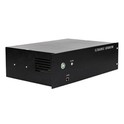
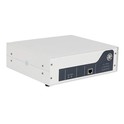
Our Emery Line Online Cleaning System is designed to provide efficient and effective cleaning solutions for diamond wire. It combines advanced ultrasonic cleaning technology with intelligent control systems to ensure that the cleaning time is adjusted accurately according to the degree of contamination.
The ultrasonic cleaning technology used in our system generates high - frequency sound waves in the cleaning solution, creating microscopic bubbles that implode on the surface of the diamond wire. This process, known as cavitation, effectively removes contaminants from the wire surface. The intelligent control system continuously monitors the contamination level and adjusts the cleaning parameters in real - time.
Benefits of Our System
- Improved Product Quality: By ensuring thorough cleaning of the diamond wire, our system helps to maintain its cutting performance and extend its lifespan, resulting in higher - quality products.
- Increased Production Efficiency: The ability to adjust the cleaning time based on the contamination degree reduces unnecessary cleaning time, increasing the overall production throughput.
- Energy Savings: Optimizing the cleaning time helps to reduce energy consumption, making our system more environmentally friendly and cost - effective.
Contact Us for Procurement
If you are interested in our diamond wire online cleaning system and would like to learn more about how it can benefit your production process, we invite you to contact us for procurement and further discussion. Our team of experts is ready to provide you with detailed information and customized solutions based on your specific needs.
References
- Smith, J. (2018). Advanced Cleaning Technologies for Precision Manufacturing. Journal of Manufacturing Science, 25(3), 123 - 135.
- Johnson, A. (2019). Ultrasonic Cleaning: Principles and Applications. Industrial Cleaning Review, 12(4), 45 - 52.
- Brown, C. (2020). Optimizing Cleaning Processes in the Semiconductor Industry. Semiconductor Manufacturing Journal, 30(2), 78 - 85.