Ultrasonic assisted machining (UAM) has emerged as a revolutionary technology in the manufacturing industry, offering enhanced precision, improved surface finish, and reduced tool wear. As a leading supplier of UAM equipment, we understand the importance of proper maintenance to ensure the longevity and optimal performance of your machinery. In this blog post, we will share some valuable insights and practical tips on how to maintain ultrasonic assisted machining equipment effectively.
Understanding the Basics of Ultrasonic Assisted Machining Equipment
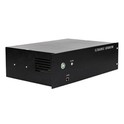
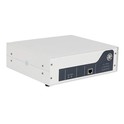
Before delving into maintenance strategies, it's essential to have a basic understanding of the key components of UAM equipment. Typically, UAM systems consist of an ultrasonic generator, a transducer, a horn, and a machining tool. The ultrasonic generator converts electrical energy into high-frequency electrical signals, which are then transmitted to the transducer. The transducer transforms these electrical signals into mechanical vibrations, which are amplified by the horn and transferred to the machining tool.
Regular Inspection and Cleaning
Regular inspection and cleaning are fundamental to maintaining the performance of UAM equipment. Here are some key areas to focus on:


- Ultrasonic Generator: Check the generator for any signs of damage, such as loose connections, overheating, or abnormal noise. Clean the exterior of the generator regularly to prevent dust and debris from accumulating.
- Transducer: Inspect the transducer for any cracks, chips, or signs of wear. Ensure that the transducer is properly connected to the generator and the horn. Clean the transducer using a soft, dry cloth to remove any dirt or contaminants.
- Horn: Examine the horn for any signs of damage or deformation. Check the connection between the horn and the transducer to ensure a secure fit. Clean the horn using a mild detergent and water, and dry it thoroughly before use.
- Machining Tool: Inspect the machining tool for any signs of wear or damage. Replace the tool if it is worn beyond the recommended limits. Clean the tool using a suitable cleaning agent to remove any chips or debris.
Lubrication and Cooling
Proper lubrication and cooling are essential for the smooth operation of UAM equipment. Here are some tips to ensure optimal lubrication and cooling:
- Lubrication: Use a high-quality lubricant recommended by the equipment manufacturer to lubricate the moving parts of the UAM system. Follow the manufacturer's guidelines for the frequency and amount of lubrication required.
- Cooling: Ensure that the cooling system of the UAM equipment is functioning properly. Check the coolant level regularly and top it up if necessary. Clean the cooling system to prevent the buildup of debris and contaminants.
Calibration and Alignment
Calibration and alignment are crucial for maintaining the accuracy and precision of UAM equipment. Here are some steps to ensure proper calibration and alignment:
- Calibration: Regularly calibrate the ultrasonic generator, transducer, and horn to ensure that they are operating at the correct frequency and amplitude. Follow the manufacturer's instructions for calibration procedures.
- Alignment: Check the alignment of the machining tool and the workpiece to ensure that they are properly positioned. Use alignment tools, such as lasers or micrometers, to ensure accurate alignment.
Operator Training and Safety
Proper operator training and safety measures are essential for the safe and effective operation of UAM equipment. Here are some tips to ensure operator training and safety:
- Training: Provide comprehensive training to operators on the proper use and maintenance of UAM equipment. Ensure that operators are familiar with the equipment's operating procedures, safety guidelines, and emergency procedures.
- Safety: Implement safety measures, such as wearing personal protective equipment (PPE), to protect operators from potential hazards. Ensure that the UAM equipment is equipped with safety features, such as emergency stop buttons and protective guards.
Troubleshooting and Maintenance Records
Even with proper maintenance, UAM equipment may encounter occasional problems. Here are some tips for troubleshooting and maintaining maintenance records:
- Troubleshooting: Familiarize yourself with the common problems that may occur with UAM equipment and their solutions. Keep a troubleshooting guide handy for quick reference.
- Maintenance Records: Keep detailed maintenance records of all inspections, cleanings, lubrications, calibrations, and repairs performed on the UAM equipment. These records will help you track the equipment's performance and identify any potential issues early on.
Our UAM Equipment Offerings
As a leading supplier of UAM equipment, we offer a wide range of high-quality products to meet your specific needs. Our ResoTab-P20 Ultrasonic Vibration Tables, ResoTab-P30 Ultrasonic Vibration Tables, and ResoTab-F20A Ultrasonic Vibration Tables are designed to provide precise and reliable ultrasonic vibration for a variety of machining applications.
Contact Us for Procurement and Consultation
If you are interested in purchasing UAM equipment or have any questions about maintenance and operation, please feel free to contact us. Our team of experts is dedicated to providing you with the best solutions and support to meet your manufacturing needs.
References
- [1] Smith, J. (2020). Ultrasonic Assisted Machining: Principles and Applications. Manufacturing Technology Press.
- [2] Jones, A. (2019). Maintenance and Troubleshooting of Ultrasonic Equipment. Ultrasonic Technology Journal.
- [3] Brown, C. (2018). Best Practices for Ultrasonic Machining. Precision Manufacturing Magazine.