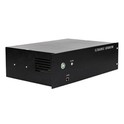
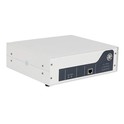
As a supplier of ultrasonic vibration tables, I've witnessed firsthand the critical role these devices play in various industrial applications. However, one common challenge that users often face is the over - heating of ultrasonic vibration tables. Over - heating not only reduces the efficiency of the equipment but can also lead to premature wear and tear, and in severe cases, permanent damage. In this blog, I'll share some effective strategies to prevent the over - heating of ultrasonic vibration tables.


Understanding the Causes of Over - Heating
Before we delve into prevention methods, it's essential to understand what causes ultrasonic vibration tables to over - heat. Several factors can contribute to this issue:
- Excessive Load: If the table is operating beyond its recommended load capacity, the motor and other components have to work harder, generating more heat. For example, if you're using a ResoTab - F20A Ultrasonic Vibration Tables designed for a maximum load of 200 kg and you place a 300 - kg object on it, the extra stress can cause over - heating.
- Poor Ventilation: Ultrasonic vibration tables generate heat during operation, and proper ventilation is crucial to dissipate this heat. If the table is placed in a confined space or if the ventilation holes are blocked, heat will accumulate, leading to over - heating.
- Long - term Continuous Operation: Continuous operation for extended periods without breaks can cause the temperature of the table to rise steadily. Just like any other machine, ultrasonic vibration tables need time to cool down.
- Malfunctioning Components: Faulty components such as a damaged motor, worn - out bearings, or a malfunctioning cooling fan can also lead to over - heating. These components may not function efficiently, causing the table to work harder and generate more heat.
Preventive Measures
1. Load Management
- Know Your Table's Capacity: Familiarize yourself with the load capacity of your ultrasonic vibration table. Each model, whether it's the ResoTab - P30 Ultrasonic Vibration Tables or the ResoTab - F20 Ultrasonic Vibration Tables, has specific load limits. Make sure you never exceed these limits to avoid over - stressing the table.
- Distribute the Load Evenly: Uneven distribution of the load can put extra stress on certain parts of the table, leading to over - heating. When placing objects on the table, ensure that the weight is evenly spread across the surface.
2. Ventilation Optimization
- Choose the Right Location: Place the ultrasonic vibration table in a well - ventilated area. Avoid placing it in a corner or against a wall where air circulation is restricted. If possible, position the table near a window or a ventilation duct to allow for better airflow.
- Keep Ventilation Holes Clear: Regularly check and clean the ventilation holes on the table. Dust, debris, and other particles can accumulate in these holes over time, blocking the airflow. Use a soft brush or compressed air to remove any obstructions.
3. Scheduled Operation
- Implement Break Times: Establish a schedule for operating the ultrasonic vibration table. Instead of running it continuously for hours on end, take regular breaks to allow the table to cool down. For example, if you need to use the table for a long - term project, run it for 2 - 3 hours and then take a 30 - minute to 1 - hour break.
- Use a Timer: To ensure that you stick to the scheduled break times, consider using a timer. Set the timer for the desired operating time and break time, and let it remind you when it's time to stop and start the table again.
4. Regular Maintenance
- Inspect Components Regularly: Conduct routine inspections of the table's components, including the motor, bearings, and cooling fan. Look for signs of wear and tear, such as loose connections, damaged wires, or excessive noise. If you notice any issues, replace the faulty components immediately.
- Lubricate Moving Parts: Proper lubrication of the moving parts, such as the bearings, can reduce friction and heat generation. Follow the manufacturer's recommendations for the type and frequency of lubrication.
5. Cooling Systems
- External Cooling Fans: In some cases, using an external cooling fan can help improve the heat dissipation of the ultrasonic vibration table. Position the fan near the table to blow air directly onto the ventilation holes or the heat - generating components.
- Liquid Cooling Systems: For high - power ultrasonic vibration tables or those operating in demanding environments, liquid cooling systems can be a more effective solution. These systems use a coolant to absorb and transfer heat away from the table.
Monitoring and Early Detection
- Temperature Sensors: Install temperature sensors on the ultrasonic vibration table to monitor its temperature in real - time. These sensors can alert you when the temperature exceeds a safe level, allowing you to take immediate action to prevent over - heating.
- Regular Temperature Checks: Even if you have temperature sensors, it's still a good idea to perform regular manual temperature checks using an infrared thermometer. This can help you detect any sudden changes in temperature that may indicate a problem.
Conclusion
Preventing the over - heating of ultrasonic vibration tables is essential for ensuring their optimal performance and longevity. By following the strategies outlined in this blog, such as load management, ventilation optimization, scheduled operation, regular maintenance, and monitoring, you can significantly reduce the risk of over - heating.
If you're in the market for high - quality ultrasonic vibration tables or need further advice on preventing over - heating, we're here to help. Our team of experts can provide you with detailed information about our products, including the ResoTab - F20A Ultrasonic Vibration Tables, ResoTab - P30 Ultrasonic Vibration Tables, and ResoTab - F20 Ultrasonic Vibration Tables. Contact us to start a discussion about your specific requirements and how we can meet them.
References
- Manufacturer's manuals for ResoTab - F20A, ResoTab - P30, and ResoTab - F20 Ultrasonic Vibration Tables.
- Industrial machinery maintenance guides on preventing over - heating.
- Research papers on ultrasonic vibration table technology and thermal management.