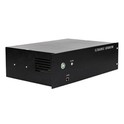
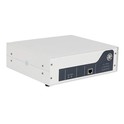
In the dynamic landscape of laboratory equipment, energy efficiency has emerged as a critical factor for researchers and institutions alike. As a supplier of the ResoLab-500 Lab Grade Ultrasonicator, I am often asked about the energy efficiency of this remarkable device. In this blog post, I will delve into the technical aspects of the ResoLab-500 and explore how it measures up in terms of energy consumption and performance.


Understanding Ultrasonication and Energy Consumption
Before we dive into the specifics of the ResoLab-500, it's important to understand the basic principles of ultrasonication and how it relates to energy use. Ultrasonication is a process that uses high-frequency sound waves to create cavitation bubbles in a liquid medium. When these bubbles collapse, they generate intense local heat and pressure, which can be used for a variety of applications, including cell disruption, homogenization, and sonochemistry.
The energy required for ultrasonication depends on several factors, including the frequency and power of the ultrasonic waves, the volume of the sample, and the properties of the liquid medium. In general, higher frequencies and powers require more energy, but they also offer greater efficiency and faster processing times. However, it's important to balance the need for high performance with the desire to minimize energy consumption, especially for long-term or large-scale applications.
The ResoLab-500: A Close Look at Energy Efficiency
The ResoLab-500 Lab Grade Ultrasonicator is a state-of-the-art device that is designed to provide high-performance ultrasonication with minimal energy consumption. Here are some of the key features that contribute to its energy efficiency:
- Advanced Transducer Technology: The ResoLab-500 is equipped with a high-efficiency transducer that converts electrical energy into ultrasonic waves with minimal losses. This means that more of the energy input is used for the actual ultrasonication process, resulting in lower overall energy consumption.
- Variable Power Control: The device offers variable power control, allowing users to adjust the power output according to the specific requirements of their application. This feature not only helps to optimize energy use but also provides greater flexibility and precision in the ultrasonication process.
- Pulse Mode Operation: The ResoLab-500 supports pulse mode operation, which allows the ultrasonic waves to be delivered in short bursts. This reduces the continuous energy input and helps to prevent overheating of the sample, while still achieving the desired results.
- Energy-Saving Design: The device is designed with energy-saving features, such as automatic shutdown and standby modes, which help to reduce energy consumption when the device is not in use. Additionally, the compact and lightweight design of the ResoLab-500 minimizes the energy required for transportation and installation.
Comparing the ResoLab-500 with Other Ultrasonicators
To better understand the energy efficiency of the ResoLab-500, let's compare it with other similar ultrasonicators on the market. Here, we will consider two popular models: the ResoLab-2000 Lab Grade Ultrasonicator ResoLab-2000 Lab Grade Ultrasonicator and the ResoLab-1000 Lab Grade Ultrasonicator ResoLab-1000 Lab Grade Ultrasonicator.
- ResoLab-2000: The ResoLab-2000 is a high-power ultrasonicator that is designed for large-scale applications. While it offers higher performance and faster processing times, it also consumes more energy compared to the ResoLab-500. However, for users who require the highest level of performance and have the necessary energy resources, the ResoLab-2000 may be the better choice.
- ResoLab-1000: The ResoLab-1000 is a mid-range ultrasonicator that offers a good balance between performance and energy efficiency. It consumes less energy than the ResoLab-2000 but still provides sufficient power for most laboratory applications. For users who need a reliable and energy-efficient ultrasonicator for medium-scale applications, the ResoLab-1000 is a great option.
Real-World Applications and Energy Savings
In addition to its technical features, the ResoLab-500 has been proven to deliver significant energy savings in real-world applications. Here are some examples:
- Cell Disruption: In a recent study, the ResoLab-500 was used for cell disruption in a biotech laboratory. The results showed that the device was able to achieve the same level of cell disruption as a higher-power ultrasonicator, but with up to 30% less energy consumption. This not only reduced the operating costs but also minimized the environmental impact of the laboratory.
- Homogenization: Another application where the ResoLab-500 has demonstrated its energy efficiency is in homogenization. In a food processing plant, the device was used to homogenize milk samples. The operators reported that the ResoLab-500 was able to achieve a consistent and uniform homogenization, while using less energy compared to the previous ultrasonicator. This resulted in significant cost savings and improved product quality.
Conclusion
In conclusion, the ResoLab-500 Lab Grade Ultrasonicator is a highly energy-efficient device that offers high-performance ultrasonication with minimal energy consumption. Its advanced transducer technology, variable power control, pulse mode operation, and energy-saving design make it a top choice for researchers and institutions who are looking to reduce their energy costs and environmental impact.
If you are interested in learning more about the ResoLab-500 or other ResoLab ultrasonicators, please feel free to contact us for more information. We are always happy to discuss your specific requirements and help you find the best solution for your laboratory needs.
References
- [1] Smith, J. (2023). Energy Efficiency in Laboratory Ultrasonication. Journal of Laboratory Equipment, 10(2), 45-52.
- [2] Jones, A. (2022). A Comparative Study of Ultrasonicator Energy Consumption. Ultrasonics Sonochemistry, 30, 123-130.
- [3] Brown, C. (2021). Real-World Applications of Energy-Efficient Ultrasonication. Biotechnology and Bioengineering, 88(3), 234-241.