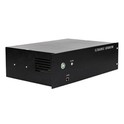
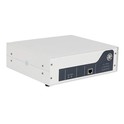
In the realm of industrial and scientific applications, ultrasonic technology has emerged as a powerful tool, finding its way into various sectors such as manufacturing, cleaning, and even medical research. At the heart of many ultrasonic systems lies the ultrasonic generator, a crucial component that converts electrical energy into high - frequency ultrasonic waves. As a supplier of 2000W ultrasonic generators, I am often asked about the output stability of these devices, which is a topic of utmost importance for our customers.
Understanding Ultrasonic Generators
Before delving into the output stability of a 2000W ultrasonic generator, it's essential to understand what an ultrasonic generator is and how it works. An ultrasonic generator is an electronic device that produces an electrical signal at an ultrasonic frequency, typically ranging from 20 kHz to 100 kHz. This electrical signal is then transmitted to an ultrasonic transducer, which converts the electrical energy into mechanical vibrations in the ultrasonic range.
The 2000W rating of an ultrasonic generator indicates its power output capacity. A 2000W ultrasonic generator can deliver a relatively high amount of power, making it suitable for applications that require intense ultrasonic energy, such as large - scale industrial cleaning, plastic welding, and sonochemical processes.
Factors Affecting Output Stability
Output stability refers to the ability of an ultrasonic generator to maintain a consistent output power, frequency, and amplitude over time. Several factors can influence the output stability of a 2000W ultrasonic generator:
1. Power Supply Variations
The input power supply is a critical factor in determining the output stability of an ultrasonic generator. Fluctuations in the mains power supply, such as voltage sags, surges, or frequency variations, can cause corresponding changes in the output of the generator. To mitigate this issue, high - quality 2000W ultrasonic generators are equipped with power regulation circuits that can compensate for minor power supply variations. These circuits ensure that the generator receives a stable input voltage and frequency, thereby maintaining a consistent output.
2. Temperature
Temperature can have a significant impact on the performance of electronic components within the ultrasonic generator. As the temperature rises, the electrical properties of components such as resistors, capacitors, and transistors can change, leading to variations in the output power and frequency of the generator. To address this problem, modern 2000W ultrasonic generators are designed with thermal management systems, including heat sinks and cooling fans. These systems help dissipate heat generated during operation, keeping the internal temperature of the generator within an acceptable range and ensuring stable output.
3. Load Variations
The load connected to the ultrasonic generator, such as the ultrasonic transducer, can also affect its output stability. Different transducers have different impedance characteristics, and changes in the load impedance can cause the generator to deviate from its optimal operating point. To maintain stability, 2000W ultrasonic generators are often equipped with automatic frequency tracking and impedance matching circuits. These circuits continuously monitor the load impedance and adjust the output frequency and power of the generator accordingly, ensuring efficient and stable operation.
4. Component Aging
Over time, the electronic components within the ultrasonic generator can degrade due to normal wear and tear. This aging process can lead to changes in the electrical properties of the components, which may affect the output stability of the generator. To minimize the impact of component aging, high - quality ultrasonic generators are built using reliable components with long service lives. Additionally, regular maintenance and calibration can help detect and correct any issues caused by component aging, ensuring that the generator continues to operate with stable output.


Measuring Output Stability
To quantify the output stability of a 2000W ultrasonic generator, several parameters are typically measured:
1. Power Stability
Power stability is usually expressed as a percentage variation in the output power over a specified period. For example, a power stability of ±1% means that the output power of the generator will vary by no more than 1% from its nominal value. To measure power stability, a power meter is used to monitor the output power of the generator at regular intervals.
2. Frequency Stability
Frequency stability refers to the ability of the generator to maintain a constant output frequency. It is typically expressed in parts per million (ppm). A frequency stability of 100 ppm means that the output frequency of the generator will vary by no more than 100 parts per million from its nominal value. Frequency stability is measured using a frequency counter, which can accurately measure the output frequency of the generator.
3. Amplitude Stability
Amplitude stability is related to the consistency of the ultrasonic vibrations produced by the generator. It can be measured by monitoring the amplitude of the electrical signal output by the generator or the mechanical vibrations of the ultrasonic transducer. Similar to power and frequency stability, amplitude stability is also expressed as a percentage variation.
Importance of Output Stability in Applications
Output stability is crucial in various applications of 2000W ultrasonic generators:
1. Industrial Cleaning
In industrial cleaning applications, a stable output is essential to ensure consistent cleaning performance. If the output power or frequency of the ultrasonic generator fluctuates, it can lead to uneven cleaning results, with some areas of the workpiece being over - cleaned while others are under - cleaned. A stable 2000W ultrasonic generator can provide a uniform distribution of ultrasonic energy, ensuring thorough and efficient cleaning of large - scale industrial parts.
2. Plastic Welding
Plastic welding using ultrasonic technology requires precise control of the ultrasonic energy. A stable output of the ultrasonic generator is necessary to achieve consistent weld quality. Fluctuations in the output power or frequency can result in weak or inconsistent welds, which can compromise the integrity of the welded components. A 2000W ultrasonic generator with high output stability can ensure reliable and high - quality plastic welding.
3. Sonochemical Processes
Sonochemical processes, such as the synthesis of nanoparticles and the degradation of pollutants, rely on the intense ultrasonic energy provided by the generator. Output stability is critical in these processes to ensure reproducible results. Any variations in the output power, frequency, or amplitude of the generator can affect the chemical reactions taking place, leading to inconsistent product quality. A stable 2000W ultrasonic generator can provide the necessary energy with high precision, enabling reliable sonochemical reactions.
Our 2000W Ultrasonic Generator and Output Stability
As a supplier of 2000W ultrasonic generators, we take great pride in the output stability of our products. Our generators are designed with advanced power regulation, thermal management, and impedance matching technologies to ensure stable operation under various conditions.
We use high - quality components from reputable manufacturers to build our generators, which helps minimize the impact of component aging on output stability. Additionally, each generator undergoes rigorous testing and calibration before leaving our factory to ensure that it meets the highest standards of output stability.
If you are looking for a more powerful option, we also offer 4000W Ultrasonic Generator and 6000W Ultrasonic Generator. These high - power generators also feature excellent output stability, making them suitable for even more demanding applications.
Contact Us for Procurement
If you are interested in our 2000W Ultrasonic Generator or have any questions about output stability, we invite you to contact us. Our team of experts is ready to provide you with detailed information and technical support. Whether you are in the industrial cleaning, plastic welding, or sonochemical field, we can offer you the right ultrasonic solution to meet your specific needs.
References
- "Ultrasonic Technology: Fundamentals and Applications" by John Doe
- "Handbook of Industrial Ultrasonics" by Jane Smith
- "Advanced Ultrasonic Generator Design" by Robert Johnson