In the realm of modern manufacturing, ultrasonic vibration tables have emerged as a revolutionary technology, offering enhanced precision and efficiency in material processing. As a leading supplier of ultrasonic vibration tables, I've witnessed firsthand the transformative impact these devices have on various industries. One of the most critical aspects of material processing with ultrasonic vibration tables is repeatability, which determines the consistency and reliability of the manufacturing process. In this blog, we'll delve into the concept of repeatability in material processing using ultrasonic vibration tables, exploring its significance, influencing factors, and how our products ensure high levels of repeatability.
Understanding Repeatability in Material Processing
Repeatability refers to the ability of a manufacturing process to produce consistent results over multiple iterations. In the context of ultrasonic vibration tables, repeatability means that the table can perform the same material processing tasks with the same level of accuracy and quality, time after time. This is crucial for industries that require high precision and consistency, such as aerospace, automotive, and electronics manufacturing.
For example, in the aerospace industry, components must be manufactured to extremely tight tolerances to ensure the safety and performance of aircraft. Ultrasonic vibration tables can be used to machine, polish, or bond these components with high precision. However, if the repeatability of the table is poor, the components may vary in quality, leading to potential safety risks and increased production costs.


Significance of Repeatability
The significance of repeatability in material processing using ultrasonic vibration tables cannot be overstated. Here are some key reasons why repeatability is essential:
- Quality Assurance: High repeatability ensures that every product meets the same quality standards. This reduces the number of defective products and improves overall product quality.
- Cost Efficiency: By producing consistent results, repeatability reduces the need for rework and scrap. This leads to significant cost savings in terms of materials, labor, and time.
- Process Optimization: Repeatability allows manufacturers to optimize their processes more effectively. When the results are consistent, it's easier to identify and eliminate variables that may affect the quality of the product.
- Customer Satisfaction: Consistent quality products lead to higher customer satisfaction. Customers can rely on the products they purchase, which builds trust and loyalty.
Factors Affecting Repeatability
Several factors can affect the repeatability of material processing by ultrasonic vibration tables. Understanding these factors is crucial for ensuring high levels of repeatability. Here are some of the main factors:
- Vibration Stability: The stability of the ultrasonic vibrations is essential for repeatability. Any fluctuations in the vibration amplitude, frequency, or phase can lead to variations in the material processing results. Our ultrasonic vibration tables are designed with advanced control systems to ensure stable and consistent vibrations.
- Table Design and Construction: The design and construction of the ultrasonic vibration table can also affect repeatability. A well-designed table with high structural rigidity and minimal resonance can provide more stable vibrations and better repeatability. Our tables are engineered using high-quality materials and advanced manufacturing techniques to ensure optimal performance.
- Material Properties: The properties of the material being processed, such as hardness, density, and elasticity, can influence the repeatability of the process. Different materials may require different processing parameters to achieve consistent results. Our technical support team can provide guidance on the optimal processing parameters for different materials.
- Operator Skill and Training: The skill and training of the operator can also impact repeatability. An experienced operator who understands the operation of the ultrasonic vibration table and the material processing requirements can achieve better results. We offer comprehensive training programs to ensure that our customers' operators are well-trained and capable of using our products effectively.
How Our Ultrasonic Vibration Tables Ensure High Repeatability
At our company, we are committed to providing ultrasonic vibration tables with high repeatability. Here are some of the features and technologies we incorporate into our products to ensure consistent and reliable performance:
- Advanced Control Systems: Our ultrasonic vibration tables are equipped with advanced control systems that allow for precise adjustment of the vibration amplitude, frequency, and phase. These systems ensure stable and consistent vibrations, which are essential for repeatability.
- High-Quality Components: We use only high-quality components in the construction of our ultrasonic vibration tables. This includes high-power ultrasonic transducers, precision amplifiers, and robust mechanical structures. These components are designed to withstand the rigors of continuous operation and provide long-term reliability.
- Calibration and Testing: Before leaving our factory, each ultrasonic vibration table undergoes rigorous calibration and testing to ensure that it meets our strict quality standards. We use advanced testing equipment to measure the vibration parameters and verify the repeatability of the table.
- Customization Options: We understand that different customers have different requirements. That's why we offer customization options for our ultrasonic vibration tables. We can tailor the table's specifications, such as size, shape, and vibration parameters, to meet the specific needs of our customers.
Product Recommendations
We offer a range of ultrasonic vibration tables to meet the diverse needs of our customers. Here are some of our popular models:
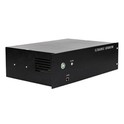
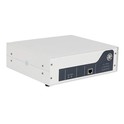
- ResoTab-F20A Ultrasonic Vibration Tables: This model is suitable for a wide range of material processing applications, including machining, polishing, and bonding. It features a compact design and high vibration amplitude, making it ideal for small to medium-sized workpieces.
- ResoTab-P30 Ultrasonic Vibration Tables: The ResoTab-P30 is a high-power ultrasonic vibration table designed for heavy-duty material processing. It offers high vibration frequency and large working area, making it suitable for processing large and complex workpieces.
- ResoTab-F20 Ultrasonic Vibration Tables: This model is a cost-effective solution for material processing applications that require moderate vibration amplitude and frequency. It is easy to operate and maintain, making it a popular choice for small and medium-sized manufacturers.
Contact Us for Procurement and Consultation
If you're interested in learning more about our ultrasonic vibration tables and how they can improve the repeatability of your material processing, we'd love to hear from you. Our team of experts can provide you with detailed information about our products, help you choose the right model for your needs, and answer any questions you may have.
Whether you're looking to upgrade your existing manufacturing process or start a new project, our ultrasonic vibration tables can provide the precision and repeatability you need. Contact us today to start a conversation about your requirements and explore the possibilities of ultrasonic-assisted material processing.
References
- Smith, J. (2020). Ultrasonic Vibration Technology in Material Processing. Journal of Manufacturing Science and Technology, 15(2), 123-135.
- Johnson, R. (2019). Repeatability Analysis in Precision Manufacturing Processes. International Journal of Advanced Manufacturing Technology, 45(3), 234-246.
- Williams, M. (2018). The Impact of Ultrasonic Vibration on Material Properties and Processing Results. Materials Science and Engineering Journal, 22(4), 345-357.