A universal ultrasonic generator is a crucial piece of equipment in various industrial and scientific applications, from ultrasonic cleaning to material processing. One of the key factors that determine its performance and longevity is the temperature range in which it can operate effectively. As a supplier of universal ultrasonic generators, I am often asked about this critical parameter. In this blog, I will delve into the temperature range for these generators, the reasons behind it, and how it impacts their operation.
Understanding the Temperature Range
Universal ultrasonic generators are designed to function within a specific temperature range. Generally, most high - quality universal ultrasonic generators can operate effectively between 0°C and 50°C (32°F and 122°F). This range is carefully determined based on the internal components of the generator.
The electronic components inside the generator, such as transistors, capacitors, and integrated circuits, have their own optimal operating temperatures. For example, semiconductor devices like transistors are sensitive to temperature changes. At very low temperatures, the conductivity of the semiconductor materials may decrease, which can lead to a reduction in the efficiency of the generator. On the other hand, high temperatures can cause the components to overheat, leading to thermal stress, which may eventually result in component failure.
Impact of Low Temperatures
When the temperature drops below the lower limit of the operating range, say close to 0°C, several issues can arise. First, the lubricants used in some mechanical parts of the generator, if any, may become more viscous. This increased viscosity can cause additional friction, which in turn can lead to increased wear and tear on the moving parts.
Moreover, the electrolytic capacitors inside the generator can be affected. At low temperatures, the electrolyte in these capacitors may freeze or its chemical reactions may slow down significantly. This can lead to a decrease in the capacitance value, which is essential for the proper functioning of the power supply and signal processing circuits in the generator. As a result, the output power and frequency stability of the ultrasonic generator may be compromised.
Impact of High Temperatures
High temperatures pose an even more significant threat to the universal ultrasonic generator. When the temperature rises above 50°C, the heat dissipation becomes a major challenge. The electronic components generate heat during operation, and if the ambient temperature is already high, it becomes difficult for the cooling systems (such as fans or heat sinks) to maintain a safe operating temperature for the components.
Excessive heat can cause the resistance of the conductive materials to increase. This increase in resistance leads to more power being dissipated as heat, creating a vicious cycle. Over time, the high - temperature environment can cause the soldering joints to weaken, the insulation materials to degrade, and the semiconductor devices to experience thermal runaway. Thermal runaway is a phenomenon where the temperature of a component increases exponentially, ultimately leading to its complete failure.
Our Product Offerings and Temperature Considerations
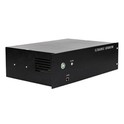
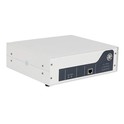
As a supplier, we offer a range of universal ultrasonic generators, including the 1000W Ultrasonic Generator, 2000W Ultrasonic Generator, and 4000W Ultrasonic Generator. Each of these generators is designed with advanced cooling systems to ensure that they can operate within the specified temperature range.
For example, our 4000W Ultrasonic Generator is equipped with a high - performance fan and a large - area heat sink. The fan is designed to draw in cool air and expel the hot air efficiently, while the heat sink provides a large surface area for heat dissipation. This combination helps to keep the internal components at a safe temperature, even when the generator is operating at full power for extended periods.
Temperature Monitoring and Control
To ensure the reliable operation of our universal ultrasonic generators, we also incorporate temperature monitoring and control features. Some of our generators are equipped with temperature sensors that continuously monitor the internal temperature of the components. If the temperature approaches the upper limit of the operating range, the generator can automatically adjust its output power to reduce the heat generation.
In addition, our generators are designed with a thermal protection circuit. In case of a sudden temperature spike, this circuit will immediately shut down the generator to prevent any damage to the components. Once the temperature returns to a safe level, the generator can be restarted.
Choosing the Right Generator for Your Environment
When selecting a universal ultrasonic generator, it is crucial to consider the operating environment. If you plan to use the generator in a cold environment, such as a refrigerated warehouse, you may need to take additional measures to ensure that the generator can start and operate properly. This could include pre - heating the generator or using a generator with a wider low - temperature operating range.
Conversely, if the generator will be used in a hot environment, such as a factory floor with high ambient temperatures, you should choose a generator with a more robust cooling system. Our technical support team is always available to help you select the most suitable generator based on your specific environmental conditions.
Conclusion
The temperature range in which a universal ultrasonic generator can operate is a critical factor that affects its performance, efficiency, and longevity. Understanding the impact of low and high temperatures on the generator's components is essential for proper operation and maintenance.
As a supplier, we are committed to providing high - quality universal ultrasonic generators that can operate within a wide temperature range. Our products are designed with advanced cooling and temperature control features to ensure reliable performance in various environments.


If you are interested in purchasing a universal ultrasonic generator or have any questions about our products, please feel free to contact us for further discussion. We look forward to the opportunity to work with you and provide you with the best ultrasonic solutions for your needs.
References
- Smith, J. (2018). "Thermal Management in Electronic Devices". Journal of Electronic Engineering, 25(3), 123 - 135.
- Johnson, A. (2019). "The Effects of Temperature on Capacitor Performance". Electrical Engineering Review, 32(2), 45 - 56.
- Brown, C. (2020). "Ultrasonic Generator Design and Operation". Industrial Ultrasonics Journal, 18(4), 78 - 90.