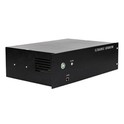
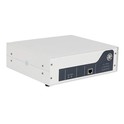
As a supplier of 4000w ultrasonic generators, I've witnessed firsthand the importance of understanding the starting - time characteristics of these powerful devices. In this blog, I'll delve into the details of what makes the start - up phase of a 4000w ultrasonic generator unique and how these characteristics can impact your applications.
Initial Power Surge
One of the most prominent starting - time characteristics of a 4000w ultrasonic generator is the initial power surge. When the generator is first turned on, it requires a brief burst of extra power to initiate the ultrasonic vibrations. This surge is necessary to overcome the inertia of the system and bring the transducer to its operating frequency.
Typically, during the start - up, the power consumption can spike to values higher than the rated 4000w. This is a normal phenomenon and is designed into the system to ensure a quick and efficient start. However, it's crucial for users to be aware of this surge, especially when considering the electrical infrastructure. If the power supply cannot handle this initial spike, it may lead to issues such as circuit breakers tripping or voltage drops.
Frequency Stabilization
Another key characteristic is the time it takes for the frequency to stabilize. At start - up, the ultrasonic generator may experience some fluctuations in frequency. The generator needs to adjust and lock onto the optimal operating frequency for the specific application.
For a 4000w ultrasonic generator, this frequency stabilization process usually takes a few seconds. During this time, the internal control system of the generator is working hard to analyze the feedback from the transducer and make the necessary adjustments. Factors such as the load connected to the generator, the temperature of the environment, and the quality of the electrical supply can all influence the time it takes for frequency stabilization.
Transducer Warm - up
The transducer, which is an essential component of the ultrasonic generator system, also has its own warm - up period. When the generator starts, the transducer gradually heats up as it begins to convert electrical energy into ultrasonic vibrations.
During the warm - up phase, the performance of the transducer may not be at its peak. The efficiency of energy conversion may be slightly lower, and the amplitude of the ultrasonic waves may vary. It's important to allow the transducer to reach its optimal operating temperature before expecting consistent and high - quality ultrasonic output. This warm - up time can range from a few minutes to around 10 - 15 minutes, depending on the design of the transducer and the operating conditions.
Impact on Different Applications
The starting - time characteristics of a 4000w ultrasonic generator can have significant implications for various applications.
In industrial cleaning applications, for example, the initial power surge and frequency fluctuations during start - up may affect the cleaning efficiency in the first few moments. If the generator is used in a continuous cleaning process, it's important to account for this start - up phase to ensure that all parts are thoroughly cleaned.
In ultrasonic welding, the frequency stability is of utmost importance. Any fluctuations in frequency during start - up can lead to inconsistent weld quality. Manufacturers need to wait for the frequency to stabilize before starting the actual welding process to ensure strong and reliable welds.
Comparison with Other Power Ultrasonic Generators
It's interesting to compare the starting - time characteristics of a 4000w ultrasonic generator with other power - rated generators. For instance, the 2000W Ultrasonic Generator generally has a lower initial power surge and a shorter frequency stabilization time due to its lower power output. On the other hand, the 6000W Ultrasonic Generator may have a more pronounced power surge and a longer warm - up period for both the generator and the transducer.
The 3000W Ultrasonic Generator falls somewhere in between. Its starting - time characteristics are similar to the 4000w generator but with some differences in the magnitude of the power surge and the length of the frequency stabilization and warm - up times.
How to Optimize the Starting Process
As a supplier, I often provide tips to customers on how to optimize the starting process of their 4000w ultrasonic generators.
First, ensure that the electrical supply is stable and can handle the initial power surge. It's advisable to use a dedicated circuit for the generator to avoid any interference from other electrical devices.
Second, allow sufficient time for frequency stabilization and transducer warm - up. Rushing the process may lead to sub - optimal performance and potentially damage the equipment.
Finally, regular maintenance of the generator and the transducer can also improve the starting - time characteristics. Keeping the components clean, checking for loose connections, and replacing worn - out parts can all contribute to a smoother start - up.
Conclusion
Understanding the starting - time characteristics of a 4000w ultrasonic generator is essential for getting the most out of this powerful device. The initial power surge, frequency stabilization, and transducer warm - up are all factors that need to be considered in various applications.
If you're in the market for a 4000w ultrasonic generator or have any questions about its starting - time characteristics, feel free to reach out for more information and to discuss your specific requirements. We're here to help you make the best choice for your application and ensure that you can operate the generator efficiently and effectively.


References
- "Ultrasonic Technology Handbook", published by a leading ultrasonic research institute.
- Industry reports on power ultrasonic generators and their performance characteristics.